What New Coaches Actually Need From a Ball Machine
A private player buys a ball machine to fix a backhand. A coach buys one to run four back-to-back clinics on a Saturday without the machine jamming, draining, or losing its settings between groups. That difference changes almost every spec that matters.
Before comparing models, it helps to separate the features built for solo practice from the ones built for teaching. Oscillation and shot randomization are nice for a player drilling alone, but a coach usually needs the opposite: precise, repeatable placement so every student in a group gets the same rep. Look for machines with fixed-point and multi-point programming rather than pure randomization modes.
Ball Capacity and Session Flow
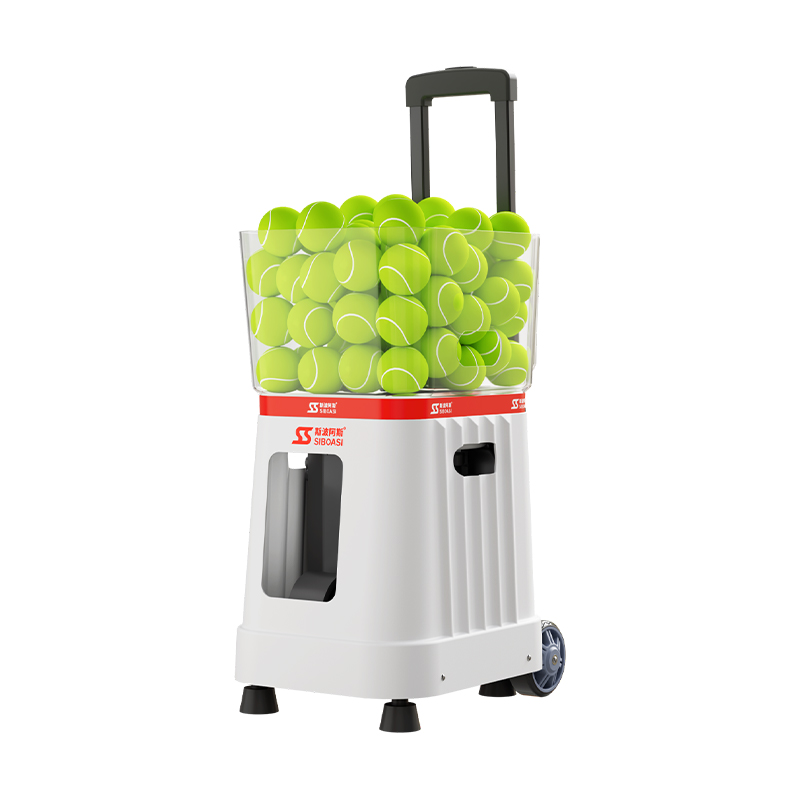
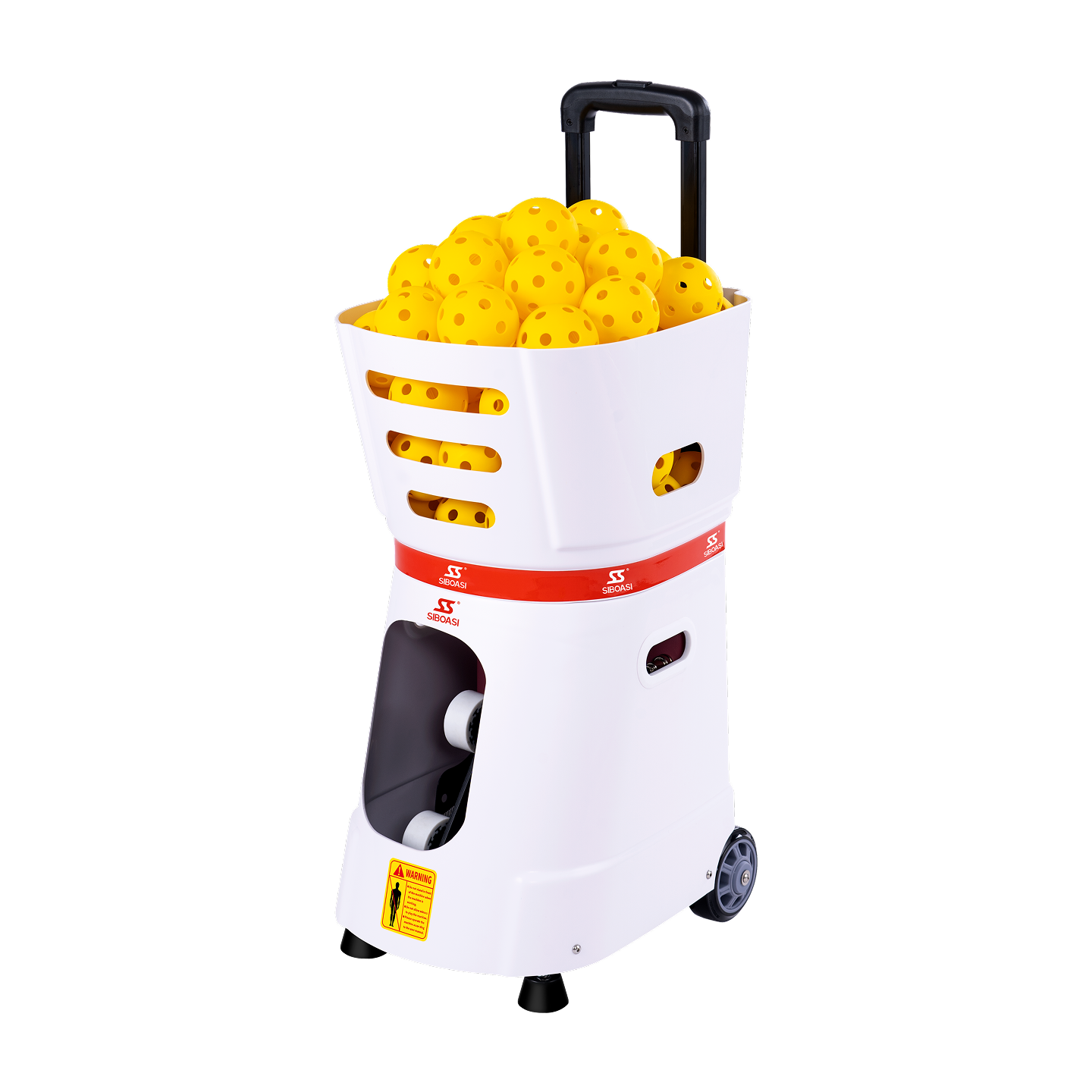
Capacity determines how often you stop to refill, and refilling mid-lesson breaks momentum fast. Entry-level machines often top out around 100–125 balls, which is fine for one-on-one sessions but tight for a group of six running drills for 45 minutes straight.
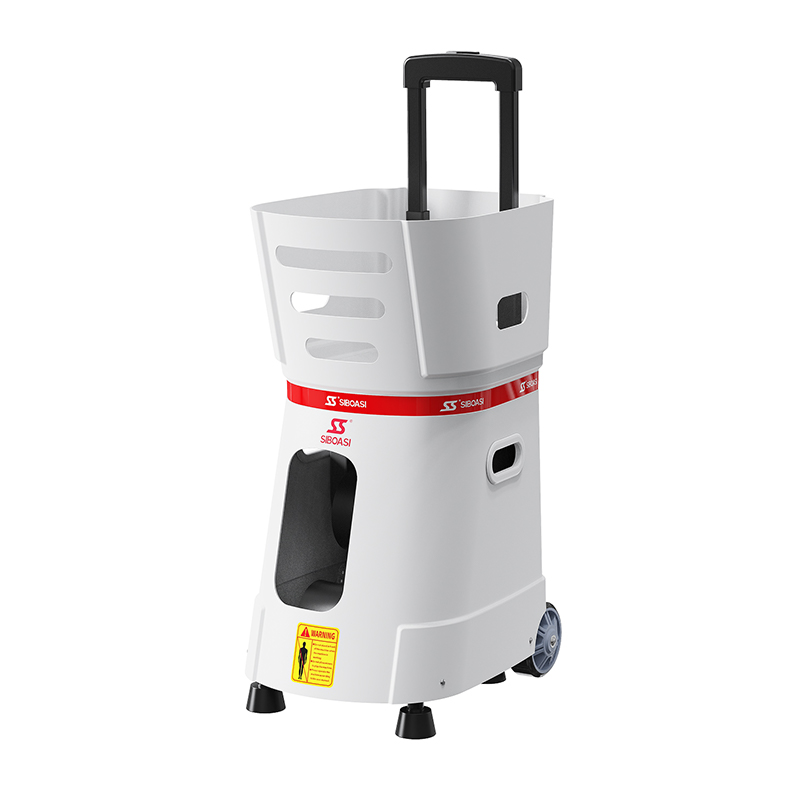
For coaches running back-to-back clinics, an entry-level smart pickleball training machine with app and remote control can still work well if the hopper size and battery life match your typical class length. Match capacity to your longest scheduled block, not your average one — a machine that runs dry ten minutes before a lesson ends will cost you more in disrupted flow than the price difference to the next tier up.
Programmable Drills vs Manual Control
Manual control works for improvisation. Programmable drills work for teaching progressions you repeat every week — third-shot drops, then resets, then transition volleys, in the same sequence for every group. Saving a drill once and reloading it for the next class saves real setup time over a coaching season.
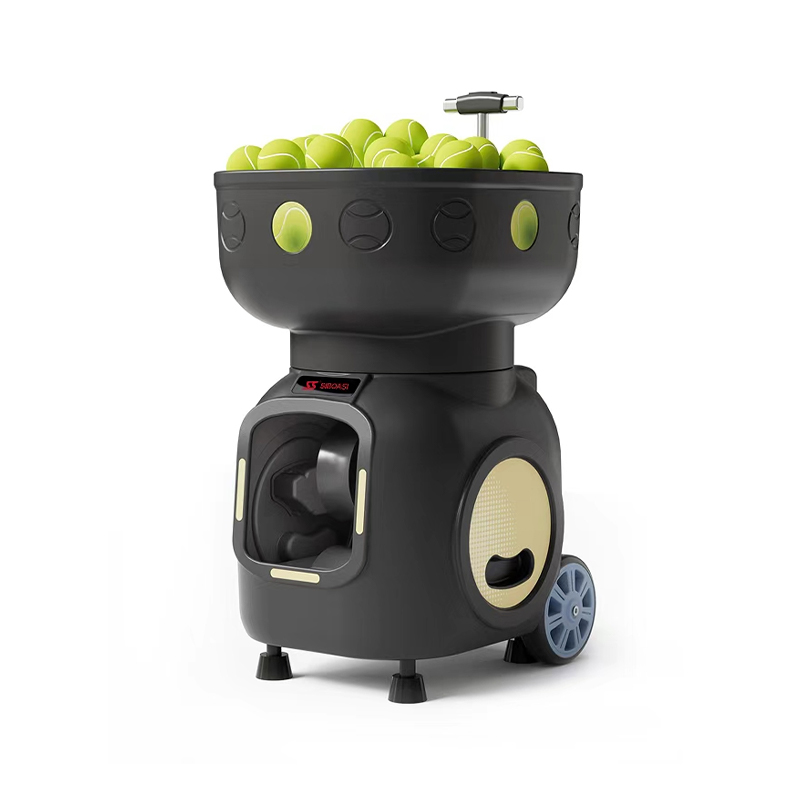
Voice control is an underrated feature for coaches specifically, since it lets you adjust speed or spin mid-drill without walking to the unit or pulling out a phone while students are mid-swing. A voice-controlled pickleball machine with built-in battery and 60-level angle adjustment is worth the extra cost if you teach outdoors where reaching for a phone screen in sunlight is genuinely annoying.
Portability and Durability for Daily Use
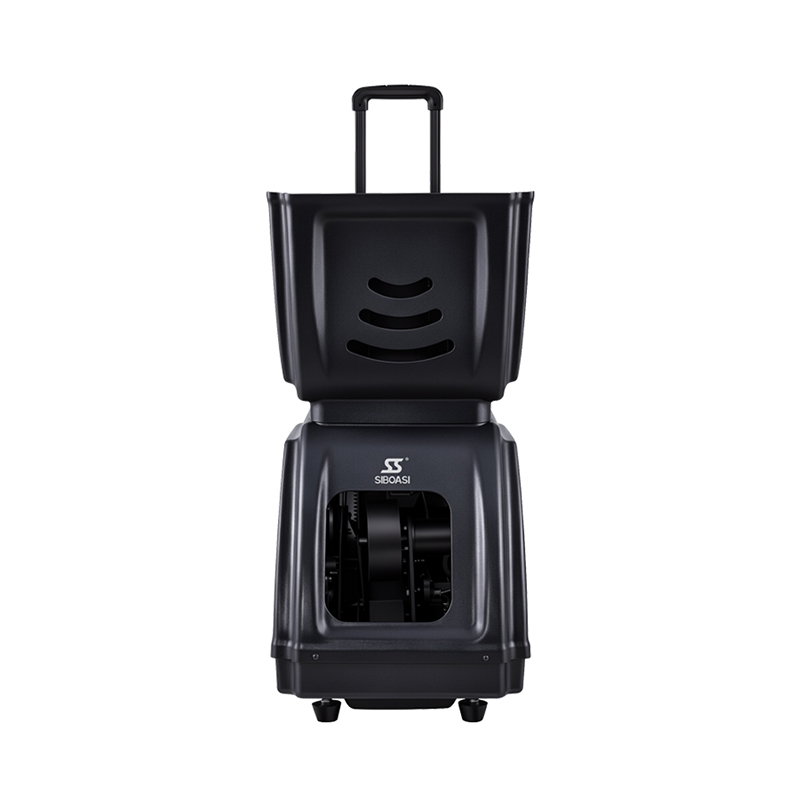
A machine used twice a week by one player and a machine used five days a week by rotating groups of beginners age very differently. Coaches should weigh build quality — wheel durability, hopper material, wiring exposure — more heavily than players who use a machine occasionally.
If most of your lessons happen indoors or on a facility with limited storage, a compact footprint matters as much as durability. An indoor-optimized pickleball training machine with Bluetooth app control and OTA updates is built for exactly that setup — easy to wheel between courts and firmware that updates without a service call.
- Check wheel size if you move between courts on gravel, ramps, or curbs
- Ask about warranty terms for commercial or high-frequency use, not just personal use
- Confirm the hopper and wiring are rated for outdoor exposure if you coach outside
Budget Tiers and What You're Paying For
Machines roughly split into three price bands. Under $500, expect basic speed and angle control with a smaller hopper — usable for individual lessons but limiting for groups. Between $1,000 and $2,000, you typically get app control, larger capacity, and programmable drills, which is the range most coaching businesses land in. Above $2,000, the added cost usually buys AI-assisted programming, voice control, or extended battery systems for full-day use.
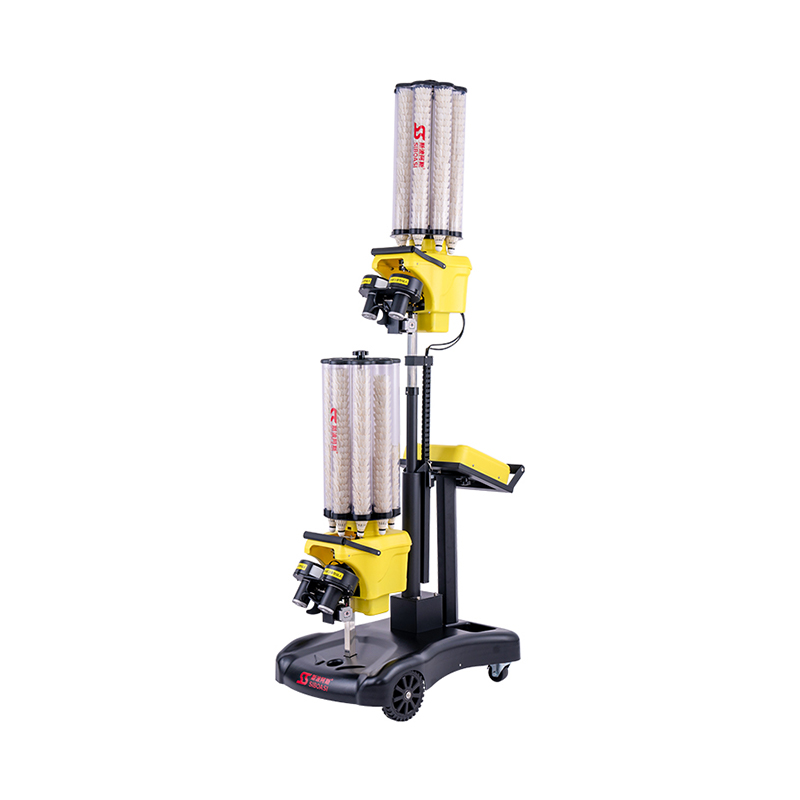
It helps to think about cost per teaching hour rather than sticker price. A machine that saves you fifteen minutes of setup per session pays for the upgrade within a season if you're teaching several clinics a week. Browsing the full range of intelligent pickleball serving machines side by side by capacity and control type makes the tradeoffs easier to see than comparing price alone.
Quick Checklist Before You Buy
- Does the hopper capacity cover your longest class without a refill?
- Can you save and reload multiple drill sequences?
- Is the build rated for daily, multi-hour commercial use?
- Does the control method fit how you actually coach — voice, app, or remote?
- Does the total cost make sense against your weekly teaching hours, not just the purchase price?
Coaches who skip this checklist often end up buying twice — first for price, then again for reliability once the machine is in daily use. Matching the machine to your actual teaching schedule the first time is the cheaper path.


 Español
 عربى
عربى