What "Home Use" and "Professional" Actually Mean
The line between a home machine and a professional one isn't really about price — it's about what the machine needs to do session after session. A home machine exists to give a player consistent reps without needing a partner: steady feeds, a manageable footprint, simple controls. A professional machine exists to replicate match conditions closely enough that a coach can build structured, repeatable drills around it, often for multiple players over years of use.
Framing the decision this way avoids the common mistake of buying more machine than the training actually calls for, or underbuying and outgrowing a machine within a season. Before comparing specs, it's worth browsing the full range of intelligent badminton serving machines to see how capacity, programming, and control scale across tiers.
Shuttle Capacity and Feed Rate: How Much Machine You Actually Need
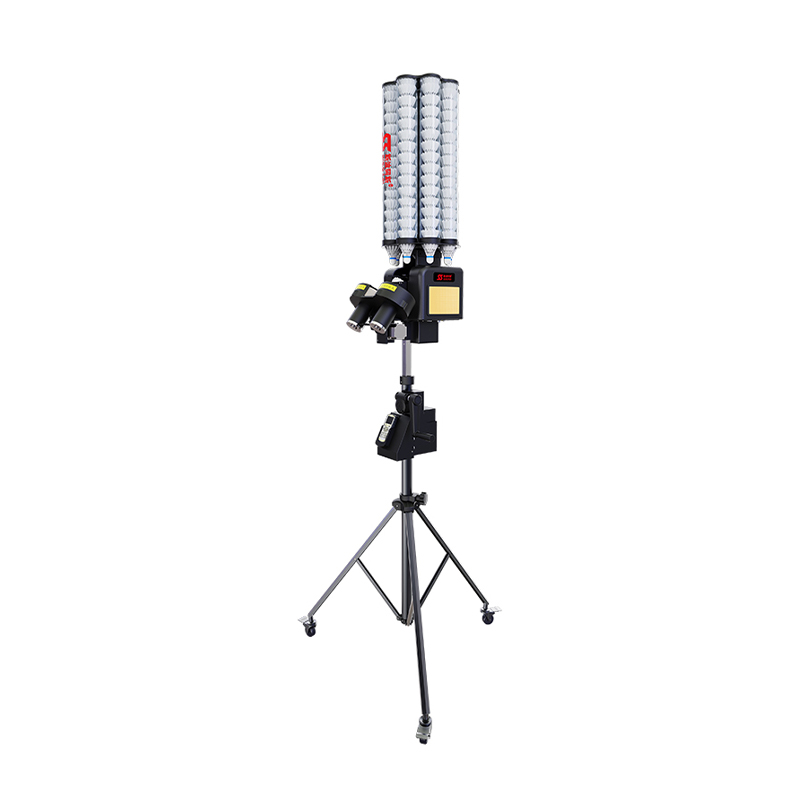
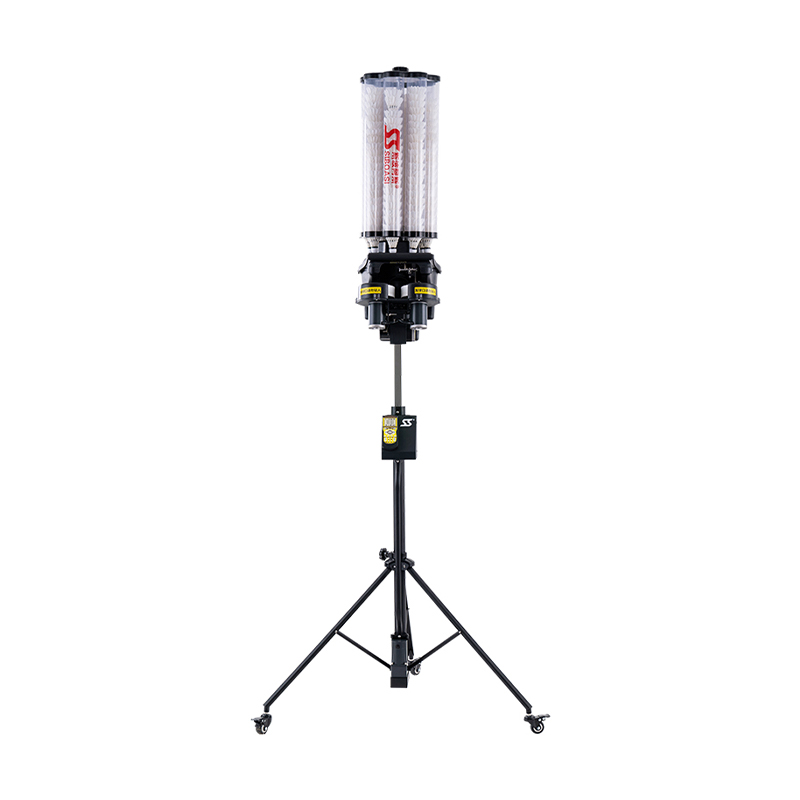
Capacity is the clearest dividing line between the two categories. A player training solo at home rarely needs more than what 200 shuttles provides — enough for a solid session before a refill, without the machine becoming bulky or expensive. An entry-level machine with 200-ball capacity built for home practice covers this use case well, pairing straightforward two-way cross drills with a size that fits into a spare room or garage.
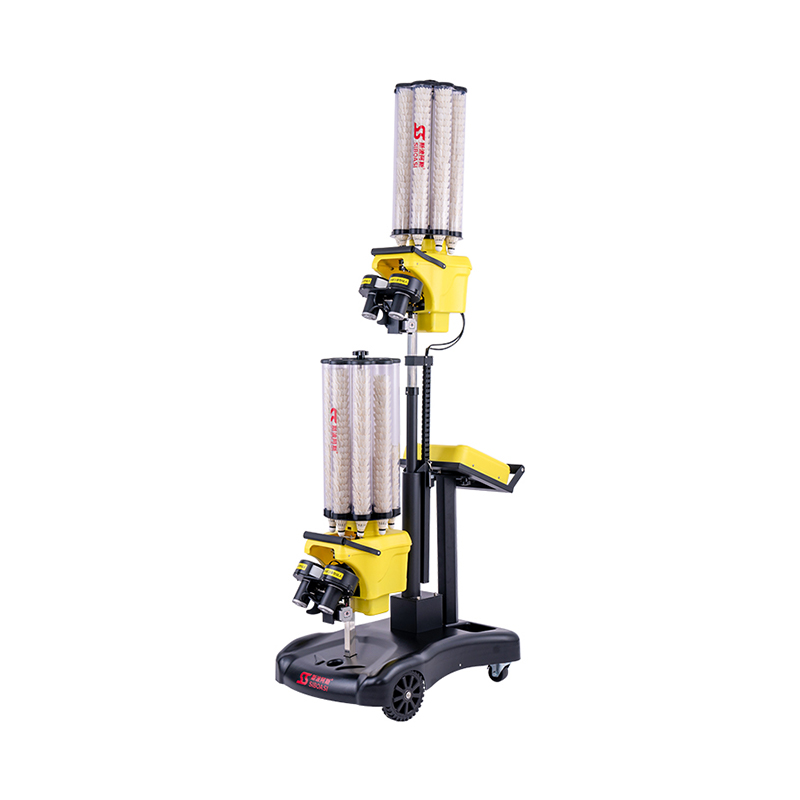
Clubs and academies running back-to-back sessions need considerably more headroom. A 400-ball capacity machine with tablet control for high-volume club use is built for exactly this — fewer stoppages to refill, and enough runway to carry a group class through a full hour without interruption.
Fixed-Point Drills vs Multi-Zone Programming
Home machines typically stick to a handful of fixed drill patterns — enough to work on footwork and timing without overwhelming a casual user. That simplicity is a feature, not a limitation, for someone who just wants to warm up or rally solo a few times a week.
Professional training asks for more granularity. A coach building a session around specific weaknesses — a weak backhand corner, slow recovery after a smash — needs a machine that can target precise zones on demand. An APP-controlled machine with 14-point drill programming is a natural step up for serious hobbyists ready to move beyond fixed patterns, while a 21-point programmable machine with 0.75-second fast release gives competitive players and coaches the shot density and precision needed for match-realistic reaction drills.
Portability and Space: Fitting the Machine to Where You Train
Where the machine will actually live changes what "the right machine" looks like. A home setup usually means limited storage and a single court or driveway space, which favors a lighter, more compact unit that's easy to wheel out and put away. A club or academy, by contrast, often moves a machine between courts throughout the day and needs something durable enough to handle daily transport without the frame or wheels wearing out.
It's worth thinking about this before capacity or programming, since a machine that's a hassle to move tends to get used less than one that fits naturally into the available space.
Control Method: Remote, APP, or Voice — What's Worth Paying For
Basic remote control is standard across most home machines and covers the essentials: speed, angle, and drill selection from across the court. It's reliable and requires no setup beyond unboxing.
Professional and multi-user environments benefit from more flexible control. APP-based systems let a coach save and reload drill profiles for different players without resetting everything by hand each session. At the top end, a voice, APP, and WeChat mini program controlled AI badminton machine lets a coach adjust a drill mid-session without stepping away from the player, which matters more than it sounds like once you're running back-to-back lessons.
Matching Your Level to the Right Model
If you're training solo a few times a week and want reliable reps without complexity, a compact, fixed-drill machine with a moderate shuttle capacity covers the job well. If you're coaching intermediate to competitive players and need to target specific weaknesses, a machine with multi-zone programming and app control earns its higher price through flexibility alone.
For clubs and academies running daily sessions across multiple skill levels, a 6-way cross drill machine with 21-zone smart programming for professional training gives coaches enough range to serve everyone from a beginner clinic to a competitive squad on the same equipment. The right choice ultimately comes down to how often the machine will run, how many different players it needs to serve, and how precisely those sessions need to be controlled — not which model has the longest spec sheet.



 Español
 عربى
عربى