How Ball Speed, Spin, and Landing Patterns Influence Skill Development
Many buyers focus on maximum ball speed, but the most effective training comes from combining speed, spin, and landing variation into progressive practice sessions. A slower ball with heavy topspin often challenges timing more than a fast flat shot, while alternating landing depth forces continuous footwork adjustment.
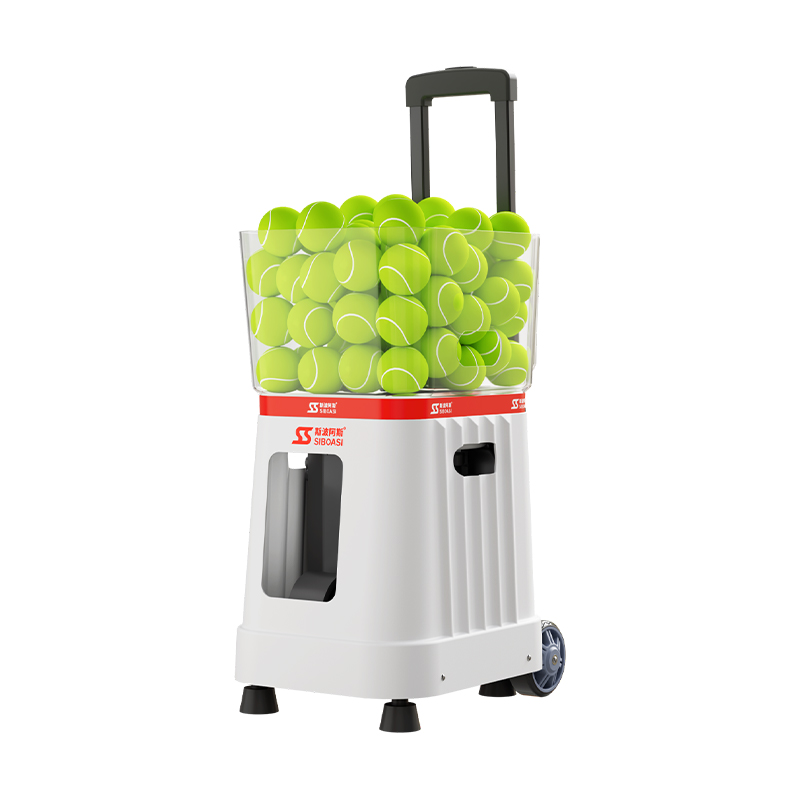
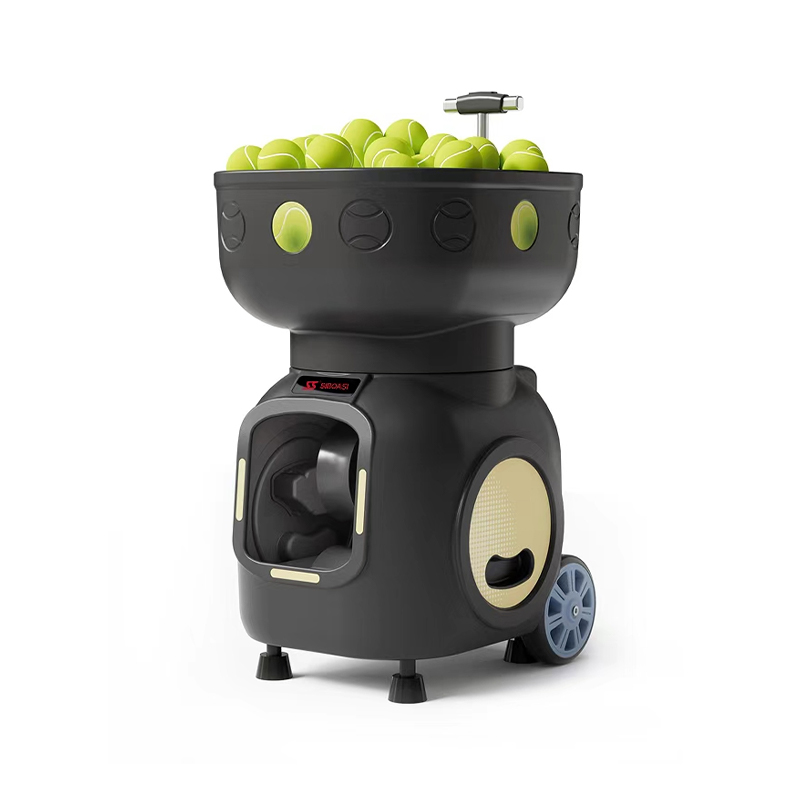
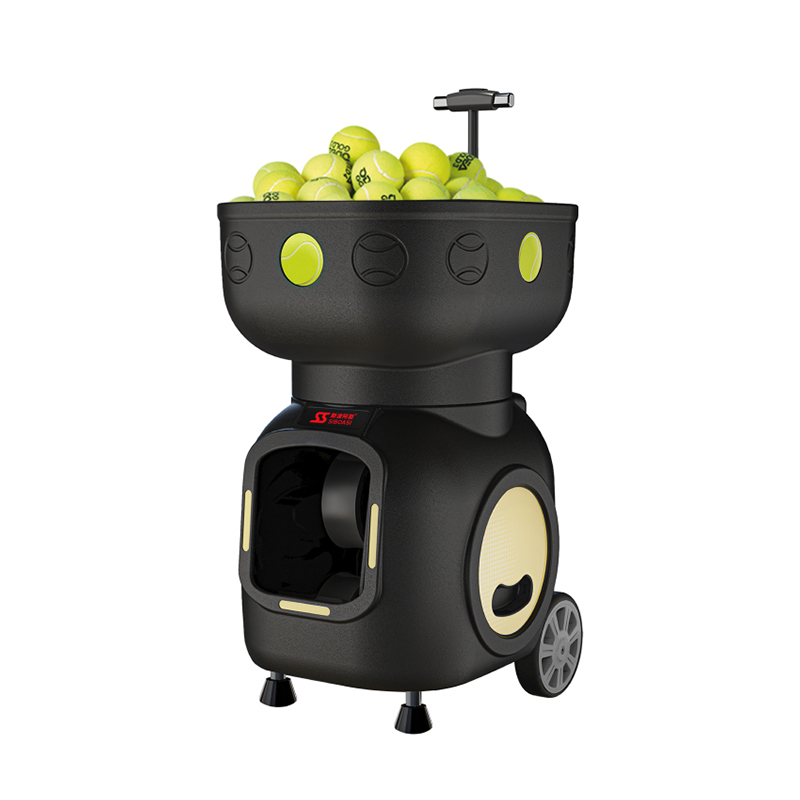
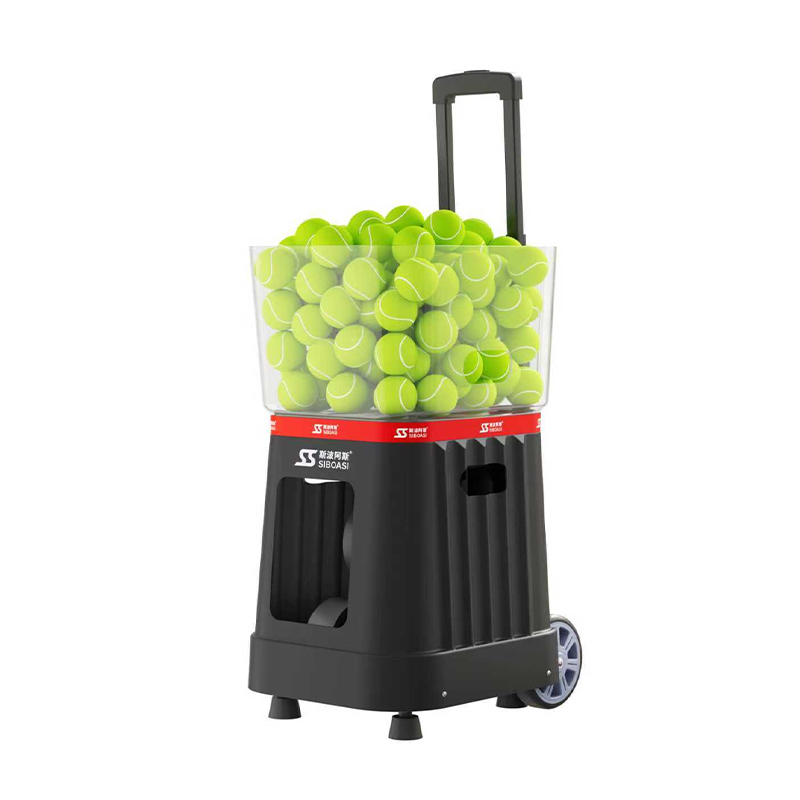
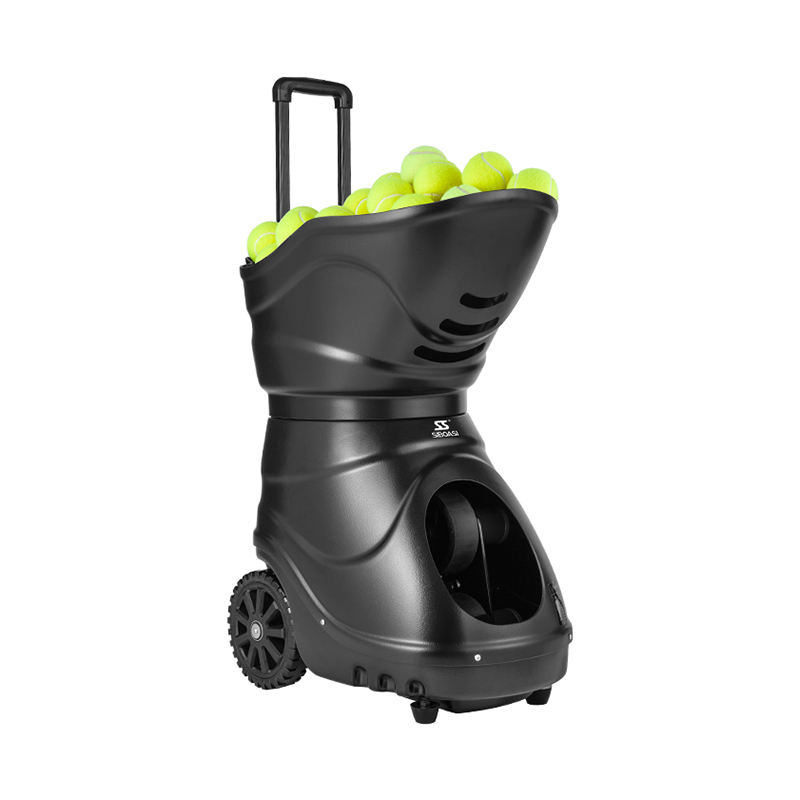
We always recommend selecting an intelligent tennis ball serving machine that allows independent adjustment of every major parameter instead of relying only on preset programs. This gives players the flexibility to build technical consistency before increasing difficulty.
| Training Objective |
Recommended Settings |
Primary Benefit |
| Stroke consistency |
Moderate speed + fixed landing |
Repeatable mechanics |
| Footwork |
Random landing + medium pace |
Court coverage |
| Match preparation |
Mixed spin + varied rhythm |
Decision making |
Practical combinations of launch parameters for different technical goals.
Why Randomized Ball Feeding Produces Better Match Performance
Predictable practice improves stroke mechanics, while randomized feeding develops decision-making. Competitive tennis requires players to recognize ball direction, speed, bounce, and spin within fractions of a second, making unpredictable drills significantly more realistic.
Situations Where Random Programs Are Most Valuable
- Recovering after wide forehand or backhand shots.
- Transitioning from baseline rallies to approach shots.
- Practicing split-step timing before every return.
- Building endurance without repeating identical movement patterns.
From our experience, intelligent programming that varies both rhythm and landing points creates training sessions that remain challenging even after hundreds of repetitions.
Features Worth Prioritizing Beyond Maximum Ball Speed
Professional buyers often compare only launch speed specifications. However, long-term usability depends on much more than peak performance.
- Independent spin adjustment for flat, topspin, slice, and sidespin simulation.
- Programmable landing sequences covering the full singles and doubles court.
- Custom training memory for frequently used practice routines.
- Wireless control that reduces interruptions during solo practice.
- Self-diagnostic functions that simplify maintenance.
- Battery compatibility for facilities without permanent power access.
A machine capable of delivering everything from approximately 10 km/h beginner feeds to over 120 km/h advanced training provides room for years of skill progression instead of becoming outdated after only one season.
How Coaches Maintain Consistency Across Multiple Students
One challenge in group coaching is maintaining identical feeding quality throughout an entire lesson. Manual feeding naturally varies as coaches become fatigued, while programmable launch parameters keep every repetition nearly identical.
| Coaching Need |
Machine Capability |
Training Result |
| Technique correction |
Fixed landing repetition |
Easier comparison between attempts |
| Group classes |
Saved training programs |
Consistent sessions every day |
| High-volume practice |
Continuous automatic feeding |
Higher effective hitting time |
Consistent feeding improves coaching efficiency and player evaluation.
At Siboasi, we have found that standardized feeding helps coaches spend more time observing player movement instead of manually delivering every ball.
Choosing a Machine for Different Training Environments
Training environments affect equipment selection just as much as player level. Stability, portability, power options, and programming flexibility should all match the intended application.
Typical Selection Considerations
- Indoor clubs benefit from programmable multi-user memory for different coaching groups.
- Outdoor courts often require optional battery operation and durable construction.
- Academies usually prioritize high-capacity continuous operation over compact size.
- Private players frequently value Bluetooth control because adjustments can be made without walking across the court.
We design our solutions around these real training scenarios so that one intelligent tennis ball serving machine can support both individual improvement and institutional teaching with minimal setup time. At Siboasi, long-term reliability is considered just as important as advanced ball-feeding technology.



 Español
 عربى
عربى
 +86 13113306076