How Adjustable Serving Parameters Influence Skill Development
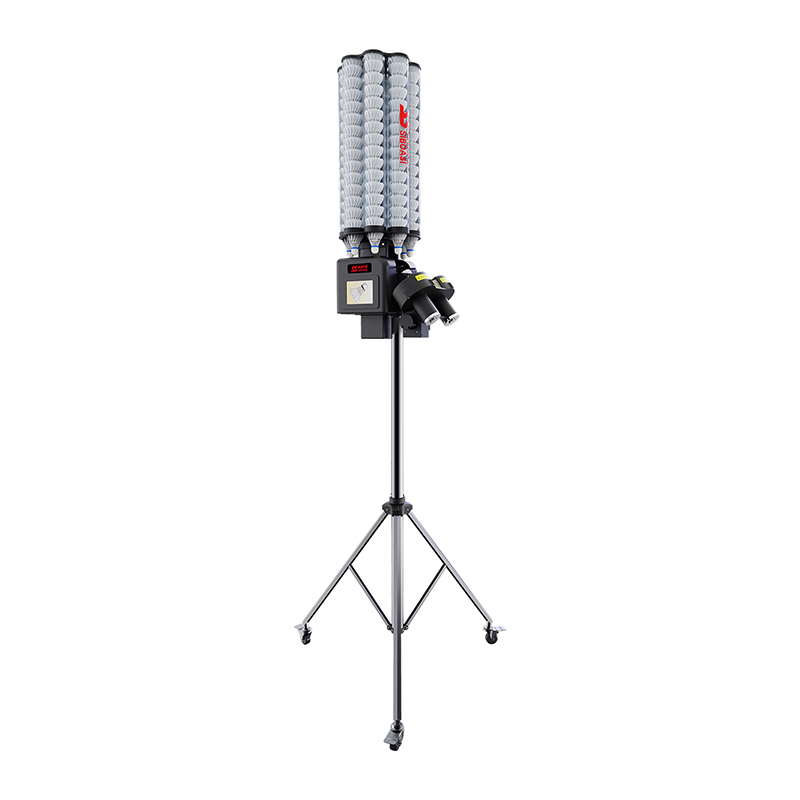
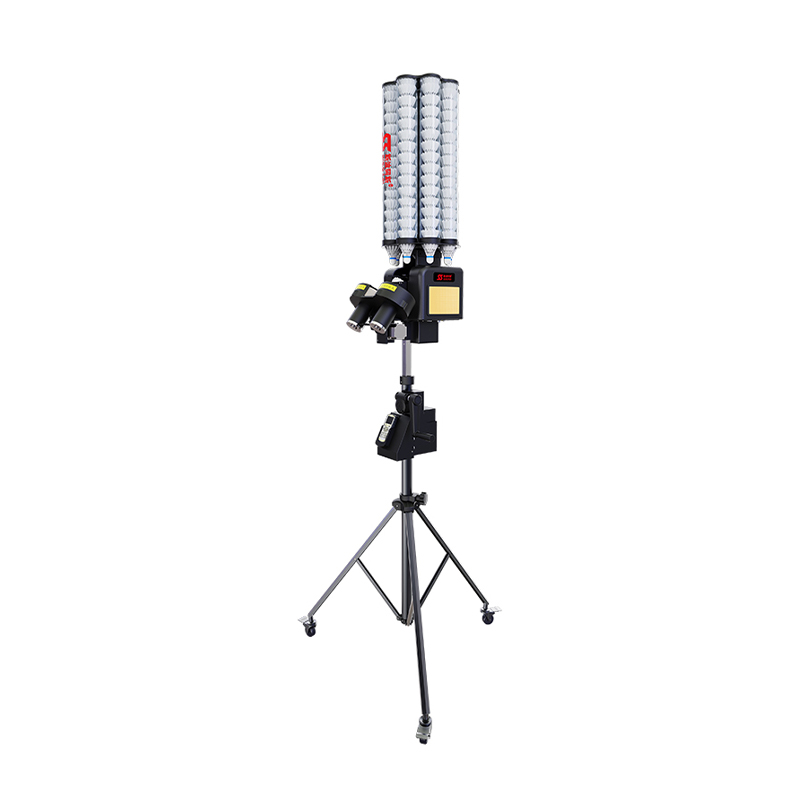
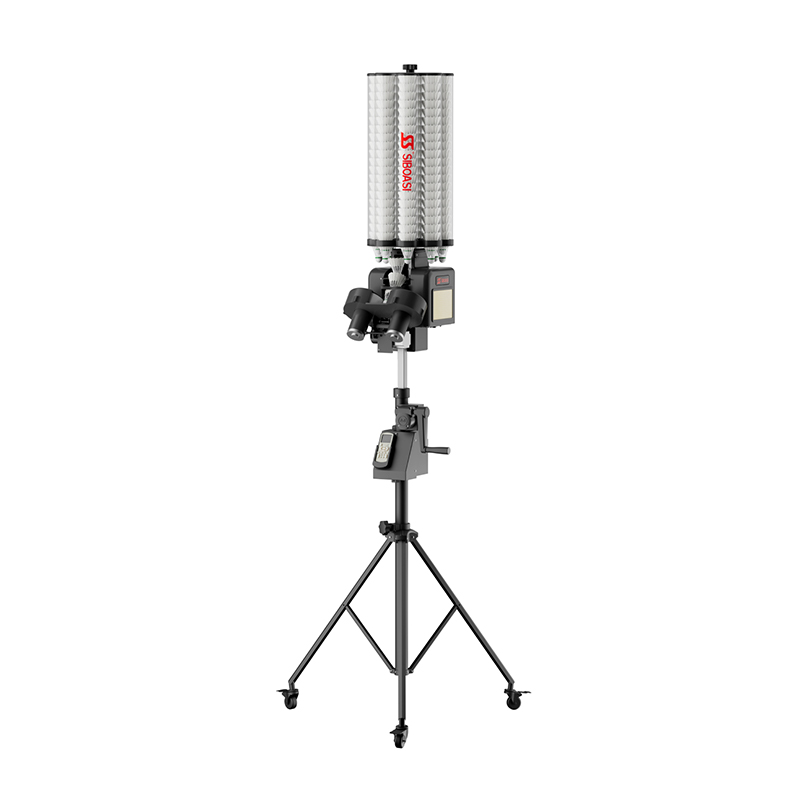
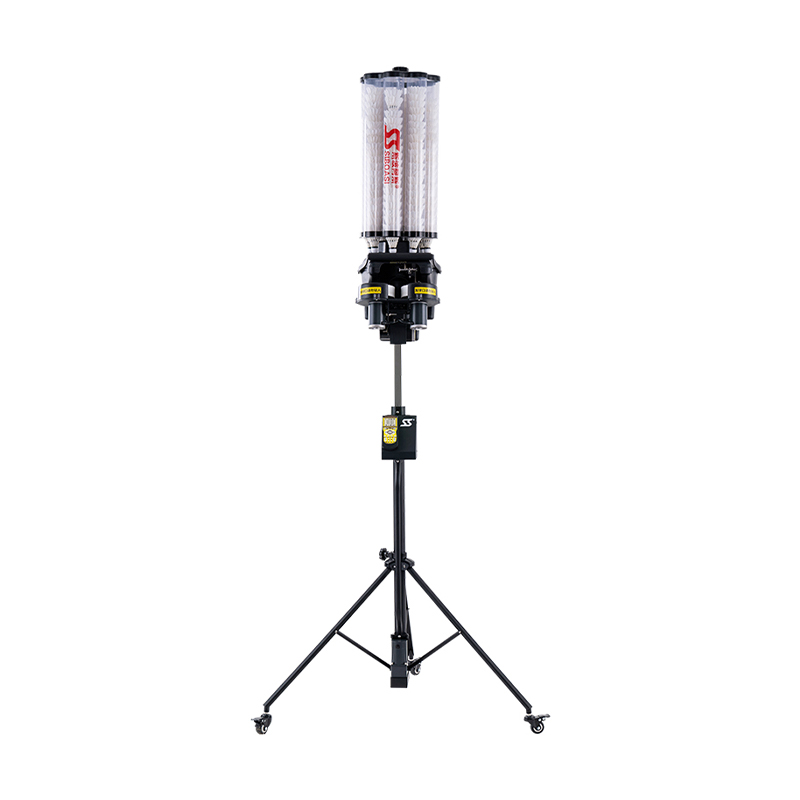
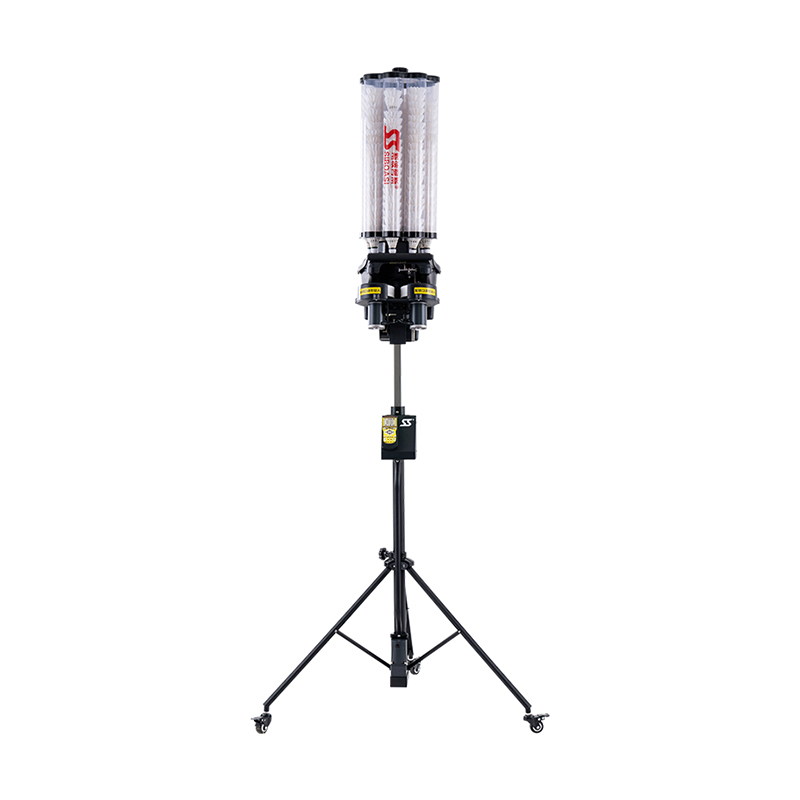
Consistent ball quality is often more valuable than maximum speed during technical training. A intelligent badminton serving machine with independently adjustable shuttle speed, frequency, and trajectory allows players to isolate specific movements and gradually increase difficulty instead of adapting to inconsistent manual feeding. Stable repetition helps reinforce muscle memory and reduces unnecessary technical variation.
Different training goals require different parameter combinations. For example, slower feeding with longer intervals supports stroke correction, while higher frequencies improve recovery speed, court coverage, and endurance under pressure. We always recommend adjusting only one parameter at a time when building new training routines, making performance changes easier to evaluate.
| Training Objective |
Recommended Speed |
Serving Frequency |
Landing Pattern |
| Stroke correction |
Low |
Slow |
Fixed point |
| Footwork practice |
Medium |
Medium |
Alternating corners |
| Match simulation |
High |
Fast |
Random |
Suggested parameter combinations for common badminton training goals.
Why Random Landing Programs Create Better Decision-Making
Many players spend too much time practicing predictable feeding patterns. While fixed-point repetition is essential for technique, random landing programs develop anticipation, reaction speed, and court positioning under changing conditions. The combination of uncertainty and repetition closely resembles competitive rallies.
When to Choose Fixed or Random Modes
- Fixed-point feeding is ideal when correcting swing mechanics.
- Alternating patterns improve directional movement and transition speed.
- Random landing is best for tactical awareness and recovery positioning.
- Mixed programs combine technical refinement with decision-making efficiency.
Our engineering team has found that combining predictable and unpredictable drills within the same session generally produces more balanced long-term progress than relying on only one feeding style.
What Coaches Should Consider When Standardizing Team Training
Large training groups often experience inconsistent intensity because manual feeding varies between coaches or assistants. By storing preset serving programs, identical shuttle speed, angle, and interval settings can be repeated across multiple sessions. This makes athlete evaluation more objective because every player receives nearly identical training conditions.
We believe repeatability is one of the most overlooked advantages of intelligent serving systems. Instead of spending valuable coaching time feeding shuttles, instructors can focus on movement analysis, tactical correction, and player communication.
Machine Construction Features That Affect Long-Term Reliability
Buyers often compare only technical specifications while overlooking structural materials. The frame and housing directly influence transportation durability, vibration control, and maintenance frequency. Lightweight construction should never compromise structural rigidity.
| Component |
Practical Benefit |
| ABS housing |
Impact resistance and reduced weight |
| Aluminum alloy frame |
Improved portability and structural stability |
| Obstacle sensing |
Automatic shutdown for safer operation |
| Low-power drive system |
Lower operating costs during extended training |
Construction details that influence durability and daily usability.
Building Progressive Training Programs with APP or Digital Controls
Preset training programs reduce setup time while ensuring every session follows measurable progression. Rather than changing settings manually after every drill, coaches can prepare complete practice sequences before training begins.
A Practical Progression Strategy
- Begin with fixed landing positions to stabilize technique.
- Increase serving frequency without significantly increasing speed.
- Introduce alternating forehand and backhand placements.
- Finish with random landing patterns at match intensity.
This structured progression allows athletes to build confidence before facing complex movement demands, resulting in more efficient practice sessions.
Choosing Equipment for Different Training Environments
The same serving machine may be used in professional clubs, school gymnasiums, community courts, or home practice areas, but environmental factors should always be considered. Floor space, storage convenience, transportation frequency, and available power supply all influence daily usability.
- Schools benefit from simple program storage for multiple classes.
- Professional clubs often prioritize advanced programmable drills.
- Home users usually value compact storage and quick setup.
- Mobile coaching teams should pay attention to overall equipment weight and transport efficiency.
For years, SIBOASI has continued refining intelligent badminton serving machine technology based on practical training needs across different user groups. Today, SIBOASI equipment supports customers in more than 150 countries and regions, and we remain committed to delivering reliable solutions that help players and coaches train more efficiently. Whether for clubs, schools, or individual athletes, SIBOASI believes intelligent repetition is the foundation of measurable improvement.


 Español
 عربى
عربى
 +86 13113306076