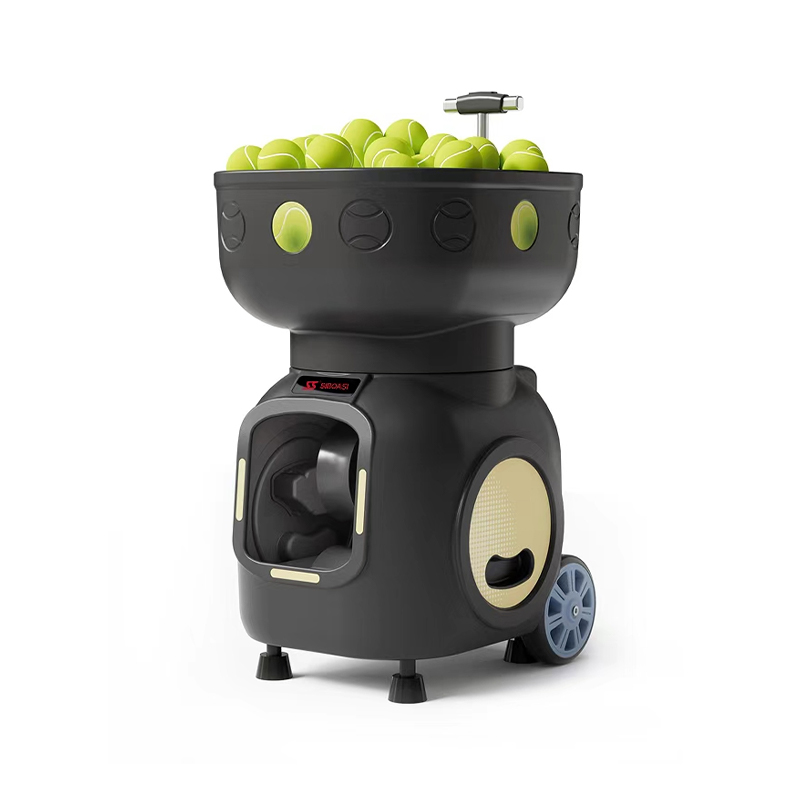
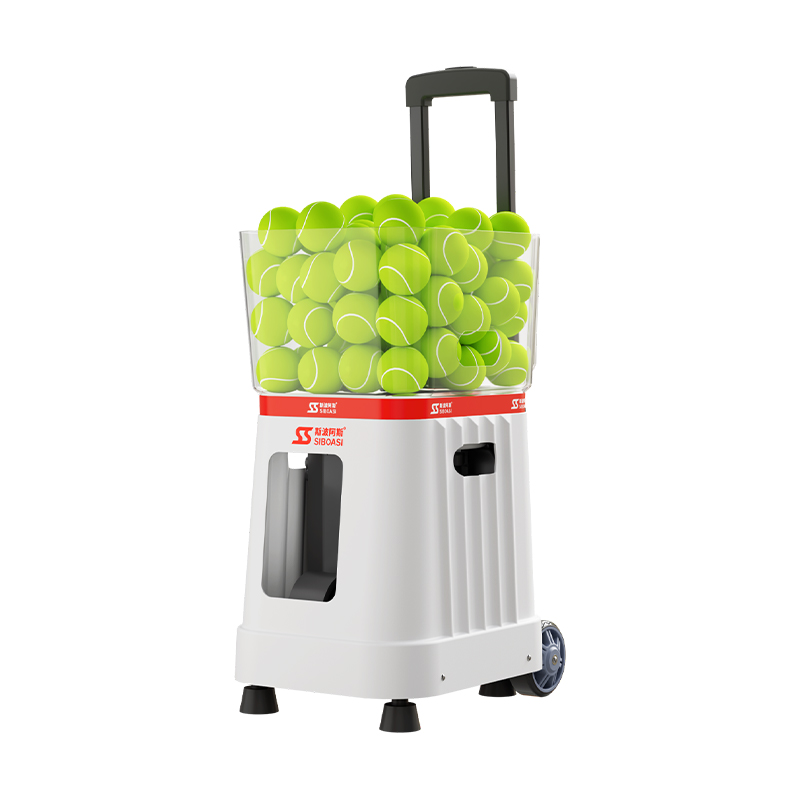
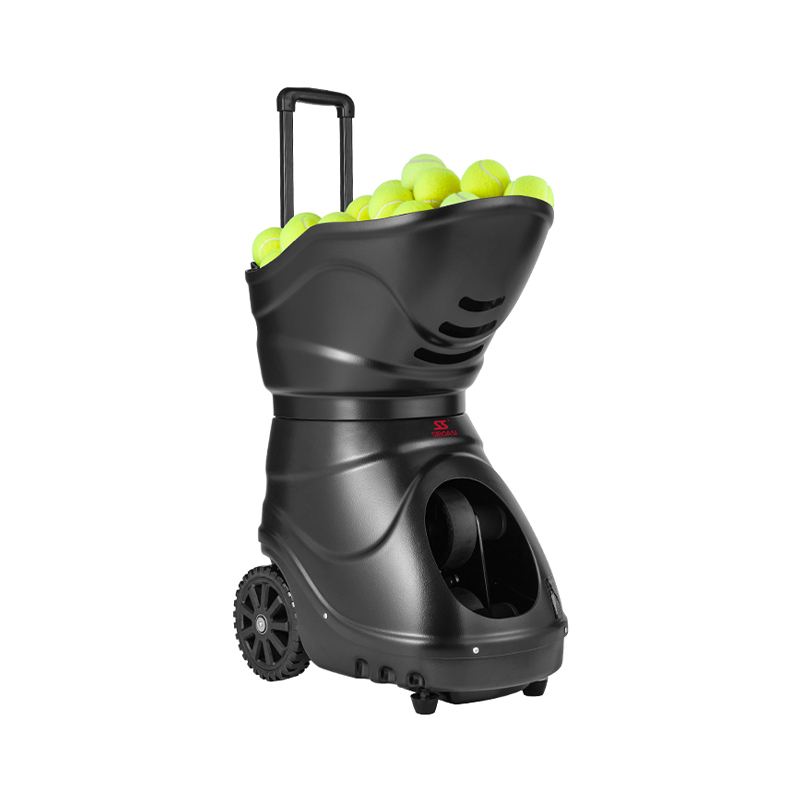
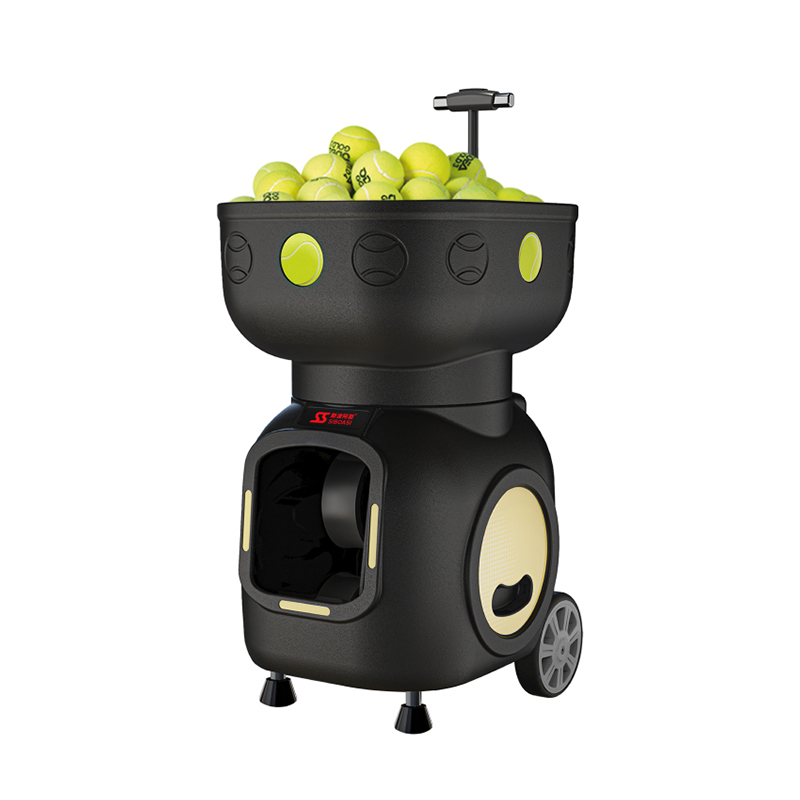
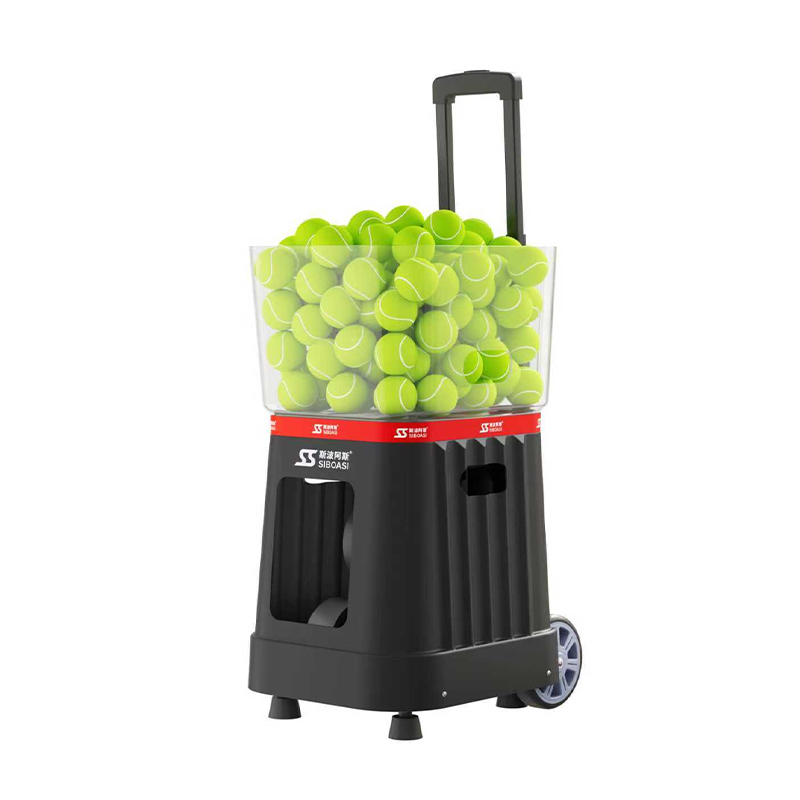
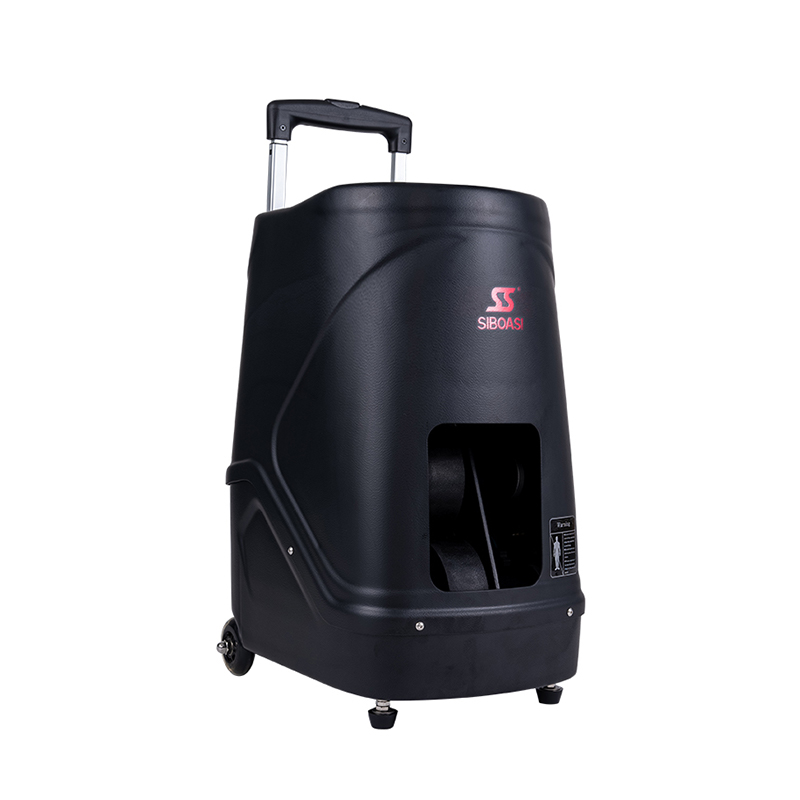
When you step onto a court with one other player, the best training partner is a machine that never asks for a break. Tennis ball throwers have evolved from simple lobbers into programmable training stations, but choosing one still comes down to five practical decisions: speed range, spin control, ball capacity, programmability, and how the machine fits your specific training environment. Start with the level of play you want to reach, then work through these specifications to make a choice that will serve you for years rather than weeks.
Speed Range Determines What Your Thrower Can Actually Do
Speed is the first number that separates a basic machine from one that can help an advanced player. A single-speed thrower that releases balls around 30 km/h is useful for warming up a beginner, but it cannot simulate match conditions. Professional players train against feeds between 80 and 140 km/h, while junior and high school players usually need a ceiling of 90 to 120 km/h. If you are unsure where you fall, choose a model with a wider range so you can grow into it instead of replacing it in six months.
Other specifications matter just as much. Adjustable interval time between balls lets you build footwork and recovery habits at a realistic rhythm, and a small control dial or touch panel gives you instant feedback instead of forcing you to stop and reprogram after every drill.
Typical speed ranges for Siboasi tennis ball thrower models by training level
| Training Level |
Speed Range (km/h) |
Key Benefit |
| Beginner / Home Use |
25–55 |
Develop a stable swing and consistent contact point |
| Intermediate / School |
50–100 |
Practice footwork and start handling heavier feeds |
| Advanced / Professional |
80–140 |
Replicate match pace and improve reaction time |
Spin and Shot Variety Create Realistic Practice
Without spin, a thrower simply feeds you flat balls. That is fine for the first few sessions, but a tennis ball with no spin behaves differently off the court surface compared with an opponent's topspin or slice. A machine that can apply spin gives you the chance to practice timing and trajectory adjustments, which are the skills that actually improve match performance. Multi-speed models that also vary spin let you switch between easy rally balls and heavy topspin with one button press.
For most players, the practical drill flow looks like this: start flat to warm up, add slice to work on low ball handling, then finish with topspin to sharpen your upper-body swing. A thrower that can produce varied spin at a fixed speed will always keep your practice sessions more mentally engaging than one that repeats the same ball every ten seconds.
Ball Capacity Affects Session Flow
A thrower that can only load forty balls is not designed for serious practice. Every time it empties, you need to walk around the court to fetch balls, reload, and reset your drill, which breaks your concentration and adds extra time. A capacity of roughly 100 to 150 balls covers most solo sessions, while a 200-ball or larger capacity makes sense if you are coaching a group, sharing one machine across multiple players, or using it at a commercial venue where downtime directly affects your revenue. For a single player practicing at home, 100 balls is usually the practical sweet spot.
Reloading convenience matters too. Models with a large hopper opening and a simpler feed path make it easier to dump balls without jamming, while built-in court wheels help you move the machine between drills without lifting it.
Programmable Patterns Build Skills Systematically
The most significant recent improvement in tennis trainable machines is not hardware; it is the software. A programmable thrower lets you set specific landing zones around the court, so you can build drills that simulate real match shots. Some models offer 14 point, 21 point, or even 35 zone landing areas, and a few can store multiple drill patterns for different players. App control turns programming into a straightforward process of dragging dots on a phone screen, while voice control means you can start or stop a drill without leaving your ready position.
This kind of programmability does more than create a fun toy. It lets you convert an unstructured hitting session into an intentional training blocks. If you know that your forehand breaks down under wide balls, you can set a pattern that serves six wide forehands, followed by two neutral backhands, and repeat that loop until your footwork adapts. That is a coaching advantage no human partner can consistently provide on their own.
Choosing According to Your Training Scenario
The best thrower for you depends on who you are and where you play. Start by considering the specific constraints of your facility, coaching style, and daily routine.
Beginner and Home Use
For an individual player at a home court or public court, the priorities are simplicity, portability, and battery life. You want a machine that is light enough to move onto and off the court without a struggle. A single-speed basic model can get you started, but even beginning players progress quickly, so a model with at least three speed settings will usually last longer before you need an upgrade.
 T1 Tennis Ball Machine Beginner Single-Speed Model for Basic Stroke PracticeThe T1 offers a fixed feed speed for beginners, providing consistent ball delivery to develop forehand, backhand, and volley mechanics. Its simple design makes it ideal for solo practice without complex settings.View Product →
School and University Programs
Schools often rotate students through a single machine across multiple lessons. That means durability, easy drill changes, and broad speed ranges are more important than one specific advanced feature. A multi-zone programmable thrower lets a coach set a warm-up drill for one group and a match simulation for another without spending ten minutes clicking through menus.
 T2300A Multi-Mode Smart Tennis Ball Machine with 21 Landing ZonesThe T2300A offers four cross-line drills, 21 programmable landing zones, and adjustable spin and depth. APP control and varied intervals suit intermediate and advanced club training needs.View Product →
Professional Training and Commercial Venues
Sports facilities and academies need machines that run for hours, handle multiple players per day, and deliver advanced spin and speed options. This is also the right segment to look for remote control, pattern storage, and voice command, so individual players can practice independently between group sessions. A machine with a large capacity and long battery life reduces the amount of staff time spent collecting balls and restarting drills.
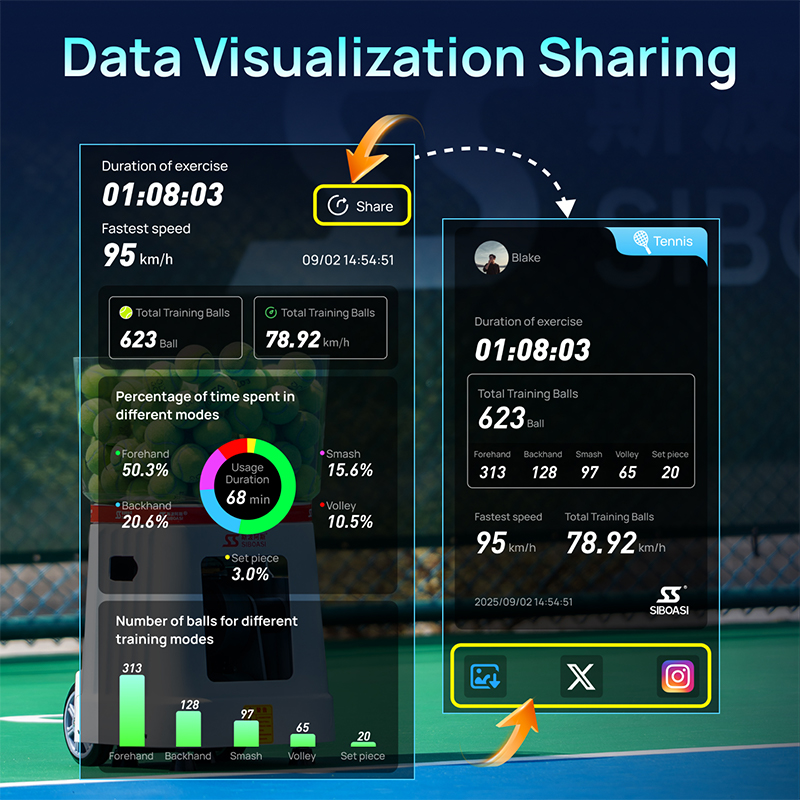 T7Pro Voice-Control Tennis Ball Machine for Professional Team TrainingThe T7Pro replicates match conditions with adjustable speed, spin, and trajectory. Voice control and multi-player rotation support tactical drills, making it effective for tournament preparation.View Product →
Power, Noise, and Portability Considerations
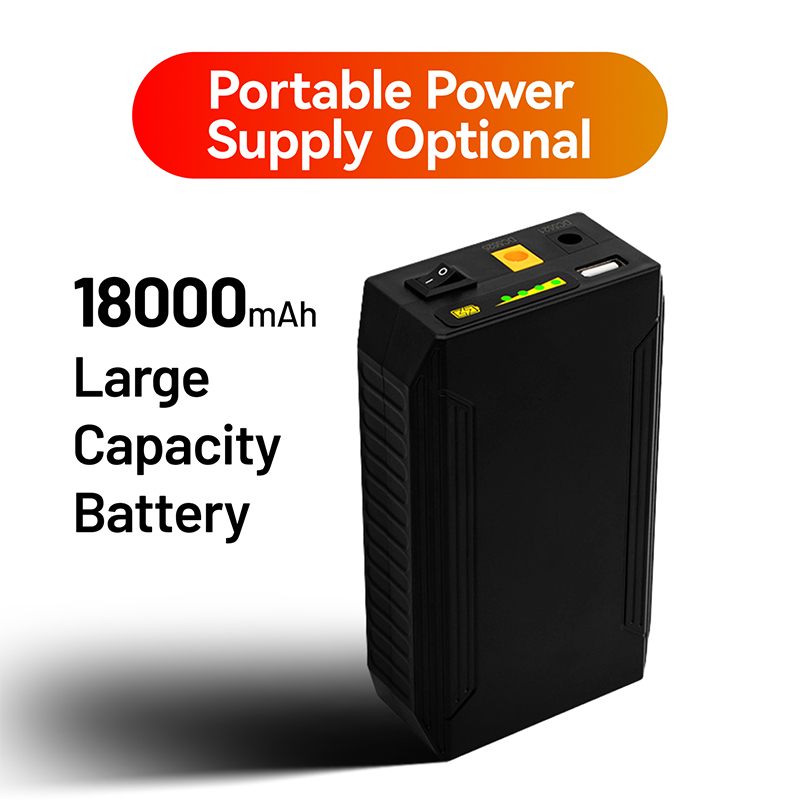
Electric tennis ball throwers use a fan and motor combination to launch balls, which means two practical concerns that appear during setup. First, power source: a battery-powered model frees you from finding an outlet, but its runtime is limited by the battery pack. If you regularly train on courts without power, choose a machine with an internal battery and look for a model with adequate runtime for a two-hour session. Second, noise: a quieter fan system matters more for residential courts and early morning sessions than for commercial facilities where ambient sound is already high.
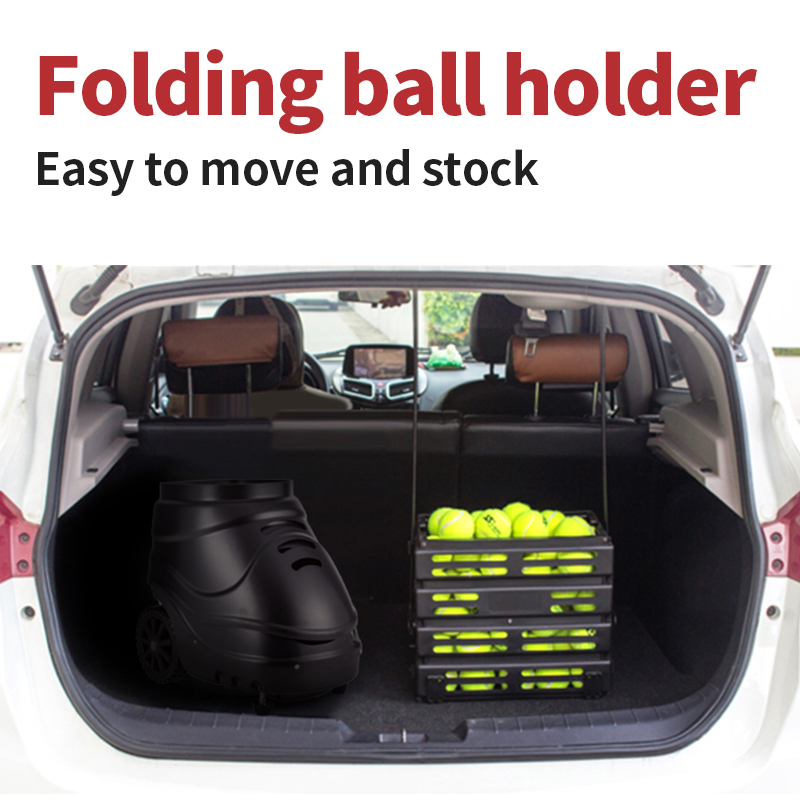
Portability is more straightforward. Check the total weight and whether it comes with wheels. A model that folds to fit into a car trunk will serve home users much better than a fixed-shape machine, while a heavy professional unit with large wheels is acceptable for a facility where it stays on court.
Set-up time should also be considered. A 30-minute assembly process might be fine for one time, but if you have to disassemble the machine between sessions, that becomes a daily burden. Simple controls and a clear manual will save more time in the long run than an extra speed setting.
The Decision Often Comes Down to Long-Term Value
Do not look at a tennis ball thrower as a single purchase. Think about the next three to five years of your training. A beginner machine that meets your current level today may become a limitation within one season, which means you will either replace it or become discouraged. On the other hand, a professional model with 140 km/h max speed and spin control might require more cost upfront, but it can support you through every stage of improvement without another purchase. For schools and commercial facilities, a durable advanced machine also reduces replacement cycles and provides predictable service for years.
What matters most is that the machine you choose makes it easier for you to take the court with purpose. A thrower that fits your current situation, your available power source, your court layout, and your long-term goals will consistently deliver value. One that matches only a single point of your current skill level will likely stop being useful before you expected.
If you are still deciding between home and professional training options, comparing the key specs above against your actual court conditions will give you a clearer answer than any single brand recommendation.


 Español
 عربى
عربى