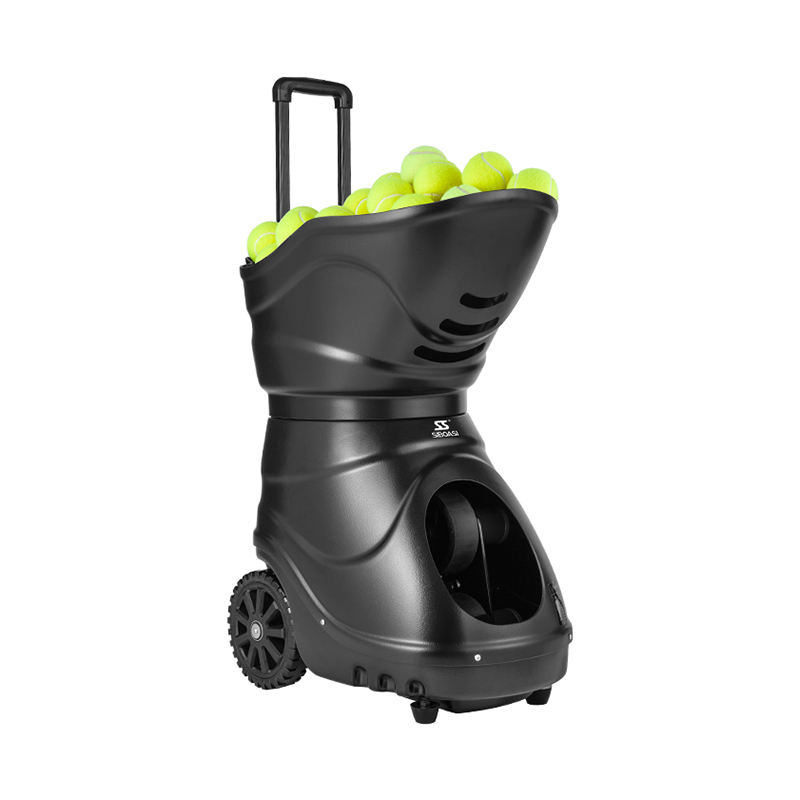
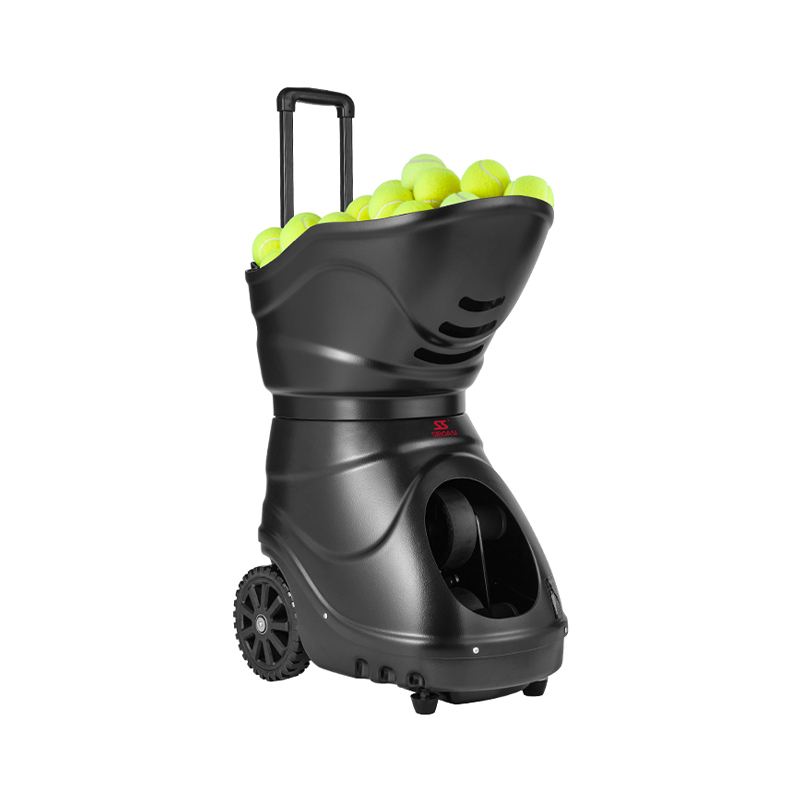
One hour with a tennis ball machine produces roughly 300 to 400 controlled repetitions, while a coach feeding balls by hand manages perhaps 60 to 80 in the same session. That gap is the entire argument for owning a machine, and it also draws the honest boundary. A ball machine rewards players who train on a weekly schedule and want structured repetition; it disappoints anyone hoping it will replace coaching or match play outright. The practical buying sequence is straightforward: confirm you will actually use it, match the feature set to your current level, then weigh power, ball capacity, and portability against how and where you play.
What a Tennis Ball Machine Actually Does for Your Game
A machine's core job is consistency. Every ball arrives at the same speed, trajectory, and bounce until you change the settings, which lets you isolate one technical problem, such as a late backhand takeback or a low volley contact point, and repeat it dozens of times without waiting for a partner. Once the stroke holds up under steady feeds, oscillation and programmed drills introduce movement and randomness, which is where durable improvement happens.
Three training uses stand out in practice:
- Technical isolation: locking the feed to one side and one depth so you can rebuild a stroke without variables.
- Pattern training: programmed sequences that alternate forehand and backhand, or push you wide then short, mimicking real point construction.
- Conditioning: high-feed-rate sessions that double as footwork and cardio work, with the machine controlling the tempo.
Coaches generally agree on one caveat: machine hours supplement lessons, they do not replace them. The machine builds the repetition base, while a coach corrects whatever the repetition is quietly entrenching.
The Decisions That Actually Separate Models
Skill level and drill programming
Beginners need far less than the spec sheets suggest. A stable feed, an adjustable interval, and a speed range that starts low, around 15 to 20 km/h, are enough to groove fundamentals for a full first season. A single-speed unit such as the T1 covers that stage without charging you for programming you will never open.
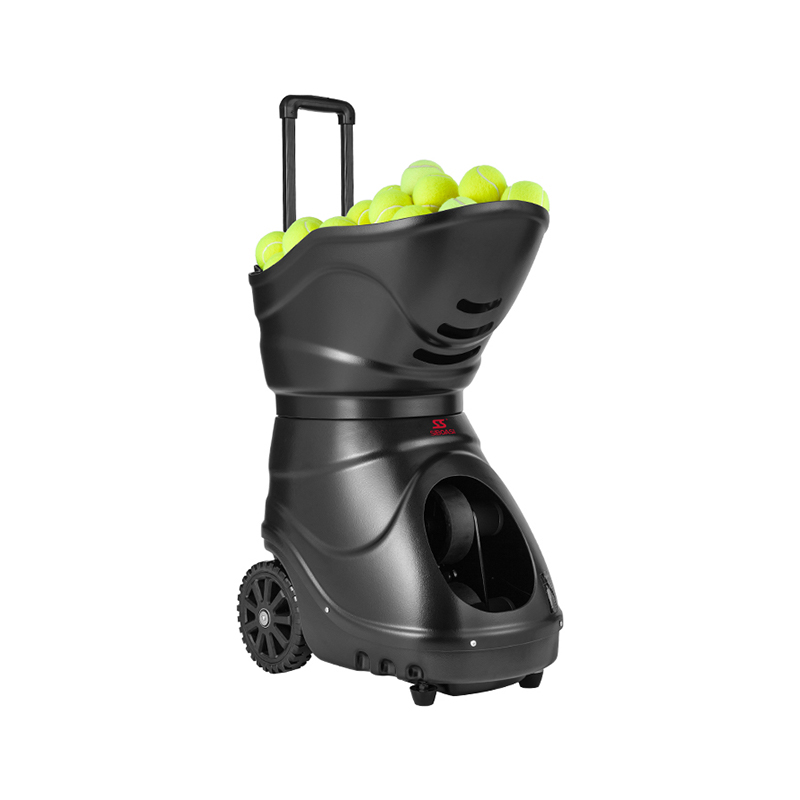
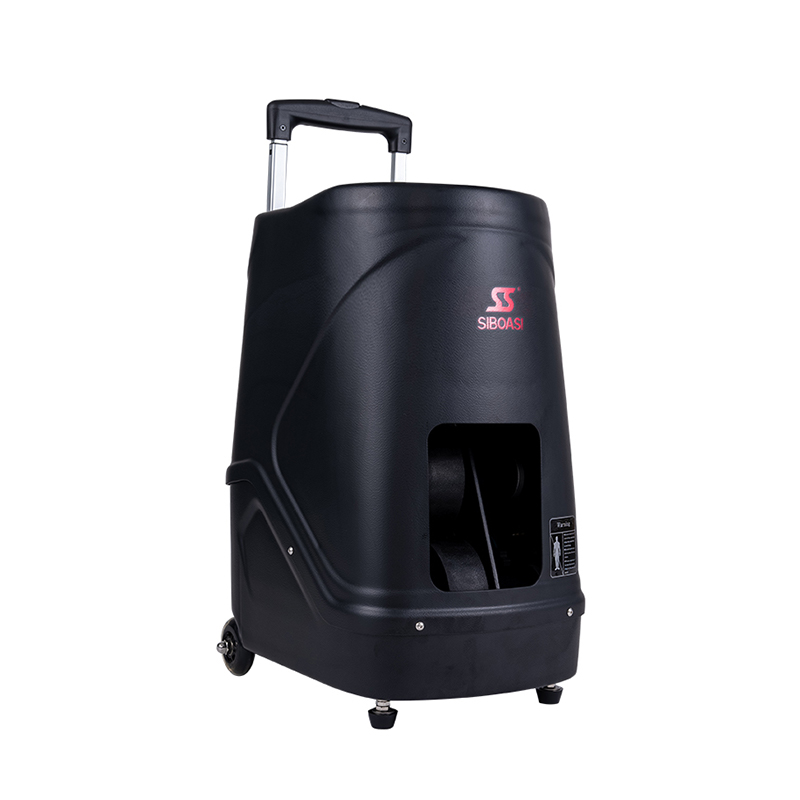
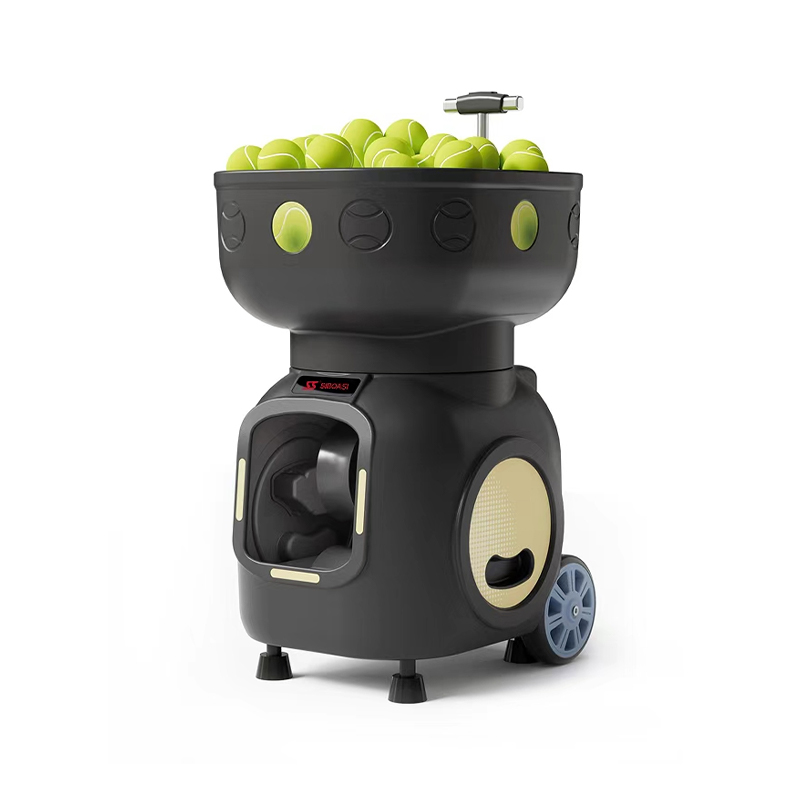
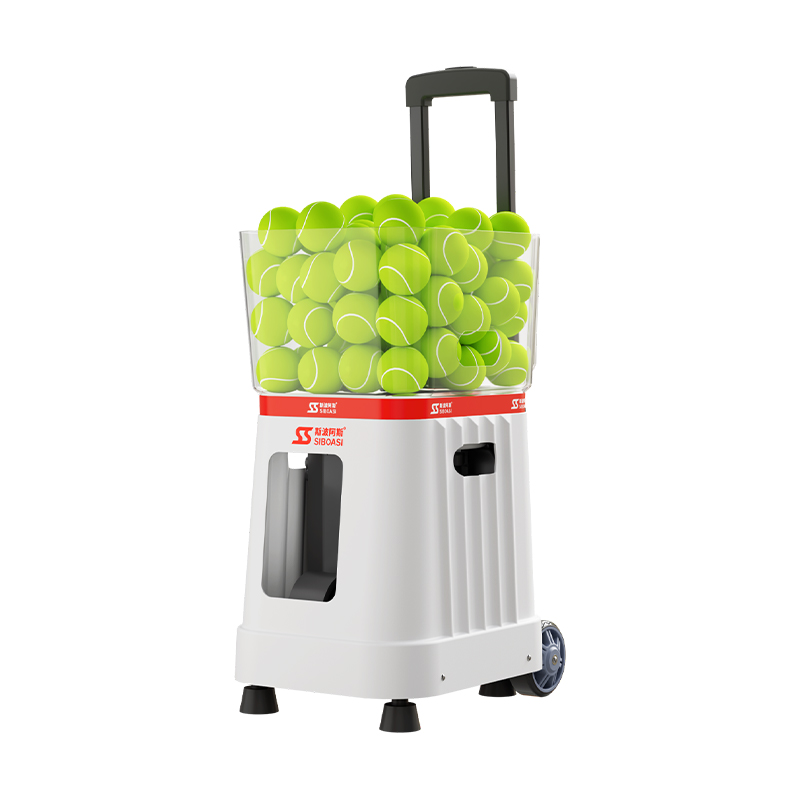
Siboasi T1 beginner single-speed tennis ball machine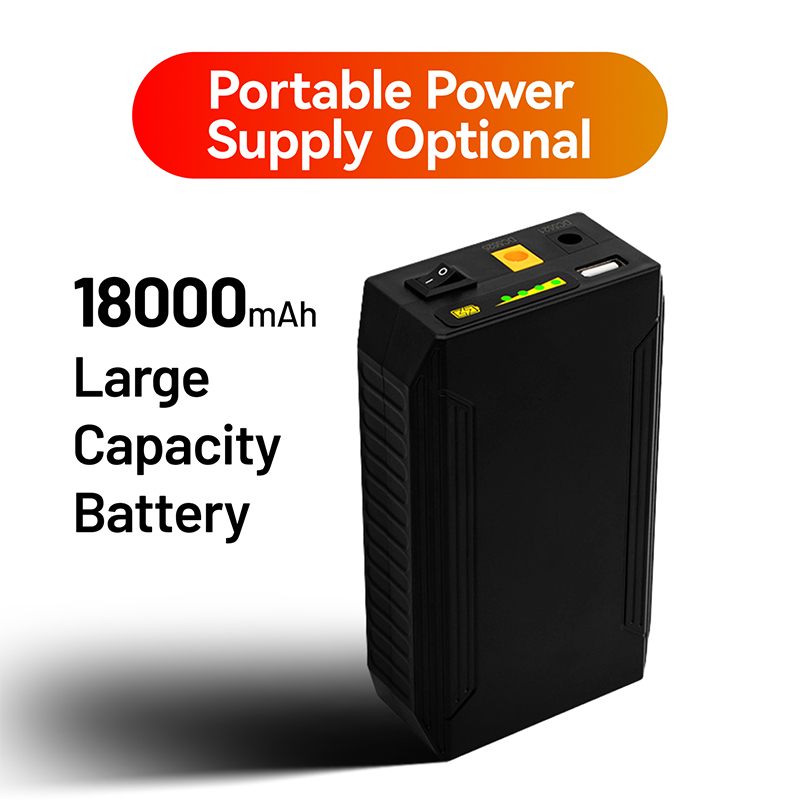 T1 Tennis Ball Machine for Beginner Stroke FundamentalsThe T1 delivers a fixed single-speed feed with simple setup, giving beginners the consistent, repeatable balls needed to groove forehands, backhands, and volleys without paying for programming features they won't use in a first season.View Product →
Intermediate players should prioritize spin control and oscillation, because alternating topspin and slice changes bounce depth and forces genuine adjustment. At this stage, programmable drills such as two-line feeds, cross-court patterns, and multi-zone landing sequences matter more than top speed. A multispeed model built around forehand and backhand alternation keeps pace with a rapidly developing game.
Siboasi T3 multispeed forehand and backhand training machine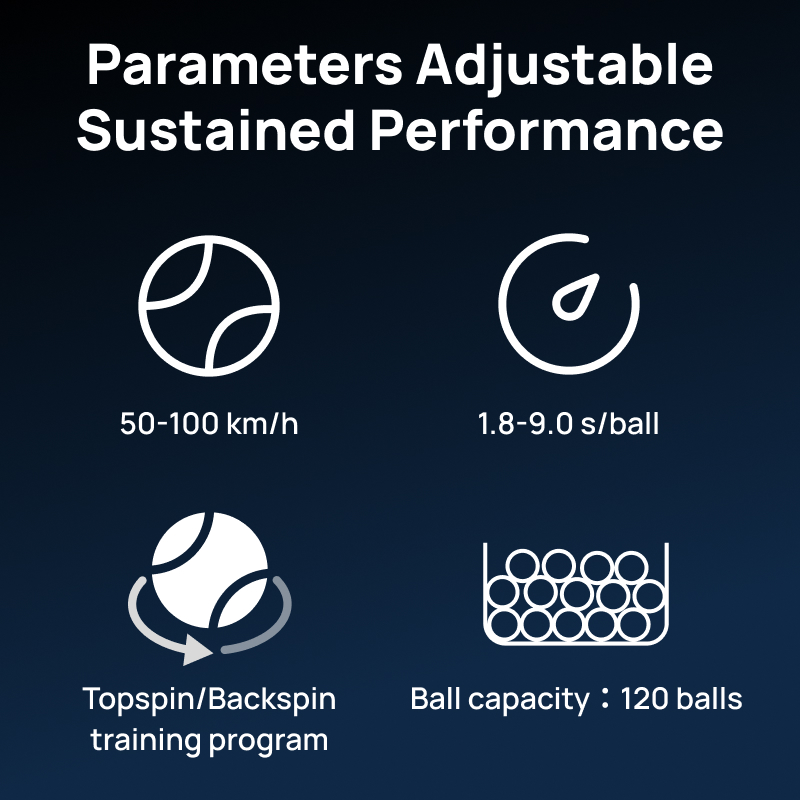 T3 Multi-Speed Tennis Ball Machine for Forehand and Backhand DrillsWith multiple speed settings and accurate feeding to designated forehand and backhand zones, the T3 lets intermediate players run structured groundstroke drills and steadily raise difficulty as their strokes and footwork improve.View Product →
Advanced and professional users look for wide programmable landing zones, random oscillation, and remote or voice control so a solo player can adjust drills mid-session. At this level the machine becomes a tactical tool: match simulation and scenario programming let coaches rehearse specific point patterns with a squad. Machines built for that workload trade some portability for drill depth, feed durability, and day-long duty cycles.
Siboasi T7 Pro voice-control tactical machine for teams and tournaments T7Pro Voice-Control Tennis Ball Machine for Team Tactical TrainingBuilt for professional teams, the T7Pro offers programmable tactical serve sequences, voice control, and high-volume session durability, letting coaches simulate opponent patterns and run multi-player rotational drills at tournament intensity.View Product →
Power supply: battery versus AC
Battery models free you to use any court, and most deliver two to four hours per charge, enough for two serious sessions. The discipline that matters is charging immediately after every use, because deep discharge is the most common cause of dead batteries reported by long-term owners. AC-powered units remove runtime anxiety but tie you to an outlet, which usually means club or academy courts. If you play at public parks, battery wins; if the machine lives at a facility, AC is the simpler choice.
Capacity, feed rate, speed, and spin
Ball capacity sounds trivial until you calculate it: at a moderate 6-second feed interval, a 150-ball hopper empties in 15 minutes. Hoppers in the 200-to-400-ball range keep drill blocks uninterrupted. Feed interval flexibility, roughly 1.5 to 10 seconds on most machines, determines whether a session is technical work or conditioning. Speed needs are modest, since even intermediate rallies rarely exceed 60 to 70 km/h of incoming machine pace, so a wide low-speed range matters more than an impressive maximum. Spin capability, usually set by wheel speed differential, decides whether you can practice against topspin and slice rather than flat feeds only.
Weight and transport
Portable machines run from under 10 kg for compact units to 25 kg or more for full-featured ones. Check three things before buying: total weight with balls loaded, whether the handle and wheels survive curbs and grass, and whether it fits your car with the seats up. A machine that is awkward to move gets used less, which is the most repeated complaint in owner reviews after six months.
Feature Priorities by Player Profile
Feature priorities by player profile; buy for your current level rather than the level you expect to reach next season.
| Player profile |
Must-have features |
Worth paying extra for |
Typical setting |
| Beginner or junior |
Low minimum speed, simple feed interval, light frame |
Remote control so a coach or parent can adjust feeds |
Home court, club, school PE |
| Intermediate club player |
Topspin and slice, oscillation, 200+ ball capacity |
Programmable drills and landing zones |
Club courts, home |
| Advanced competitor |
Random oscillation, wide speed range, drill programming |
Match simulation modes, voice or app control |
Academy, dedicated training court |
| Coach or team |
High capacity, fast feed rate, durable frame |
Multi-user presets and scenario programming |
Academies, schools, team facilities |
Matching the Machine to Where You Train
Solo players training at home or on booked public courts should put battery runtime and transport weight first, because those two factors decide whether the machine actually leaves the garage. Club players can lean on facility power and treat capacity as the priority, since longer uninterrupted blocks produce better concentration. Schools and academies add another layer: multiple users share one device, so simple controls, preset programs, and a frame that survives daily handling outweigh exotic features. For institutions evaluating this, it helps to see how machines slot into structured curricula, as outlined in Siboasi's approach to school and university tennis programs, where shared devices and preset drills carry most of the training load.
Ownership Details That Decide Long-Term Satisfaction
Balls come first. Pressureless balls are the standard choice for machine work because they keep their bounce for years and feed more reliably than aging pressurized balls. Budget for 60 to 100 dedicated machine balls and rotate them; mixing brands and wear levels makes feeds inconsistent and undermines the whole point of the machine.
- Position the machine on the opposite baseline, slightly off-center, and angle feeds toward your weaker side; a straight center feed trains almost nothing.
- Keep sessions short and focused; 20 to 30 quality minutes beats an hour of tired swings that rehearse bad mechanics.
- Recharge the battery right after each session, and store the unit dry and shaded to protect the electronics.
- Check court rules before you go; many public facilities restrict machine use to off-peak hours or designated courts.
The Sensible Way to Decide
Start from usage, not features. If you train at least weekly, a machine will out-earn its cost in saved court fees and lesson supplements within a season. Buy a model matched to your current level, because simple and reliable beats over-featured and unused, and give drill programming, spin control, and battery runtime your budget priority over top speed. For a deeper framework before committing, this step-by-step guide to choosing an intelligent tennis ball machine breaks the selection down model by model. Pair the machine hours with regular coaching feedback and you get the combination neither can deliver alone: volume with correction.



 Español
 عربى
عربى