Every shooter has had one of those nights. The ball rattles off the front rim, the misses stack up, and suddenly you are rethinking everything you believed about your jump shot. Most of the time, nothing dramatic has actually changed. Basketball shooting accuracy comes down to three stubbornly simple things: a stance you can repeat, a release you can trust, and enough quality repetitions to make both of them automatic.
The players who shoot well over a long season are rarely the ones with the most natural talent. They are the ones who built a routine and protected it. Here is how that routine comes together, from the feet up.
Why Shooting Accuracy Is Harder Than It Looks
An empty gym and a live game are two different sports as far as your jump shot is concerned. In an empty gym you get the same pass every time, the same rhythm, the same window to set your feet. In a game, defenders close out late or early, fatigue shortens your legs, and the release point you drilled all summer suddenly drifts a few inches to the side.
That is why so many players shoot well in warm-ups and struggle in the fourth quarter. The mechanics did not disappear. The conditions around them changed, and the shot was never trained to survive those conditions.
Fatigue deserves special attention. A study looking at upper-body resistance training found that both two-point and three-point shooting accuracy dropped by roughly ten to twelve percent immediately after a heavy lifting session. Strength work is not the problem, but the sequencing certainly is. Keep demanding upper-body sessions away from your shooting days, or accept that the first twenty minutes will feel like someone else's arms.
Build the Foundation: Stance, Grip, and Release
Before chasing a percentage, make the motion repeatable. A shot that looks slightly different every time cannot be corrected, because there is no single version to correct.
Stance and Balance
Set your feet about shoulder-width apart with the shooting-side foot a few inches ahead of the other. Knees bent, hips down, weight spread across the balls of your feet rather than the heels. Toes point toward the rim on the shooting side, or slightly off it if that feels more natural through the hip. A balanced base is what lets you rise straight up instead of drifting sideways or fading back.
Grip and Hand Placement
Spread the fingers of your shooting hand comfortably across the ball. The ball should rest on your fingertips and the base of your palm, with a small gap between the palm and the leather. The off hand sits lightly on the side of the ball for balance and barely pushes at all. Players who shoot with the palm flat against the ball usually lose control of the release, because the wrist cannot snap cleanly.
Release and Follow-Through
Keep the elbow tucked under the ball and push straight up rather than out. Snap the wrist down firmly, and let the index finger finish pointing at the rim. Then hold that pose until the ball reaches the net. Freezing the follow-through for a full second feels exaggerated in practice, and that is exactly the point. It gives your body a clear picture of where the shot should end.
Drills That Actually Move the Needle
A shooting workout does not need twenty exercises. It needs a small number of drills, performed with attention, and repeated often enough to become a habit.
Form Shooting
Start a meter or two from the basket and shoot with one hand, or with the off hand barely involved. Score nothing but clean swishes. If the ball hits the rim, that rep does not count. This drill feels slow and almost childish, and it is still the fastest way to rebuild a release that has drifted.
Around the World and Spot Shooting
Move around the arc in fixed spots, taking a set number of shots from each one. The value is not in the movement itself but in the discipline of a repeatable setup at every station. Resist the urge to rush to the next spot before the last shot has finished.
Game-Speed Catch and Shoot
Finally, add speed. Take passes at game pace, set your feet late, and release in under a second. This is where accuracy either holds or falls apart, and it is the only version of shooting that transfers to competition.
A simple weekly progression: clean form reps first, then scripted spots, then game-speed volume.
| Drill |
Typical Distance |
Weekly Target |
| Form shooting |
1-2 m |
50 clean makes |
| Around the world |
3-5 m |
2 full rounds |
| Spot shooting |
3-5 m |
10 shots x 5 spots |
| Free-throw sets |
4.6 m |
20 of 25 |
| Game-speed catch and shoot |
4-7 m |
3 sets of 10 |
Track the Numbers, Not Just the Feeling
Memory is a poor statistician. Players routinely remember the four shots they made in a row and forget the six they missed before that. Writing down makes and attempts, grouped by distance and by spot, turns shooting into something you can actually manage. Within two weeks you will see which spots are genuinely weak and which ones only feel weak.
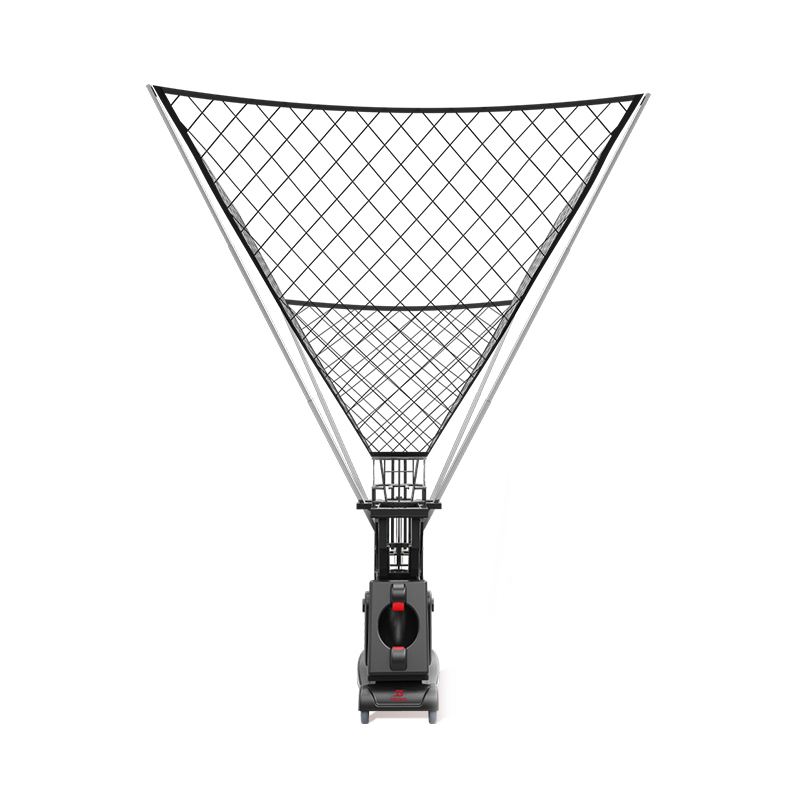
 K2100A Basketball Training Machine with LED Score DisplayTracks training time, balls delivered, made shots, and hit rate on an LED display, adding measurable shooting data for players and coaches.View Product →
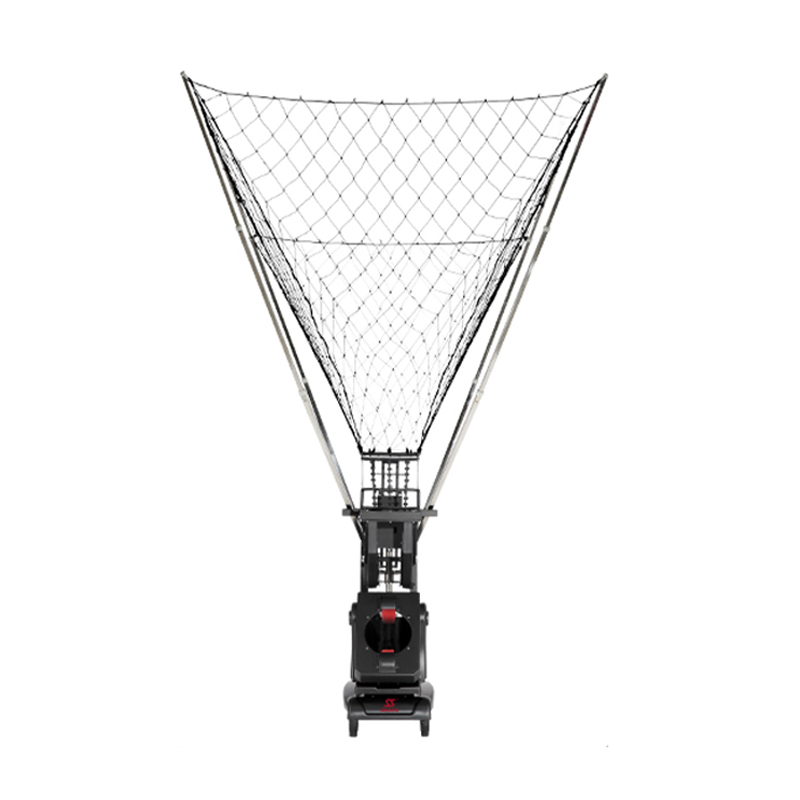
That is where a machine that keeps score for you earns its place in the gym. The K2100A pairs a rebound-and-return system with an LED score display and a live hit-rate readout, so every session produces a number instead of a vague impression. Players who train with it tend to push harder once they can see the percentage move, and coaches get a record of workload rather than a guess.
It also helps to log how you felt, not only what you shot. A tired 45 percent on a heavy legs day means something different from a fresh 45 percent after a rest day, and the two numbers should lead to different decisions about the next session.
Where a Rebounding Machine Fits Into the Routine
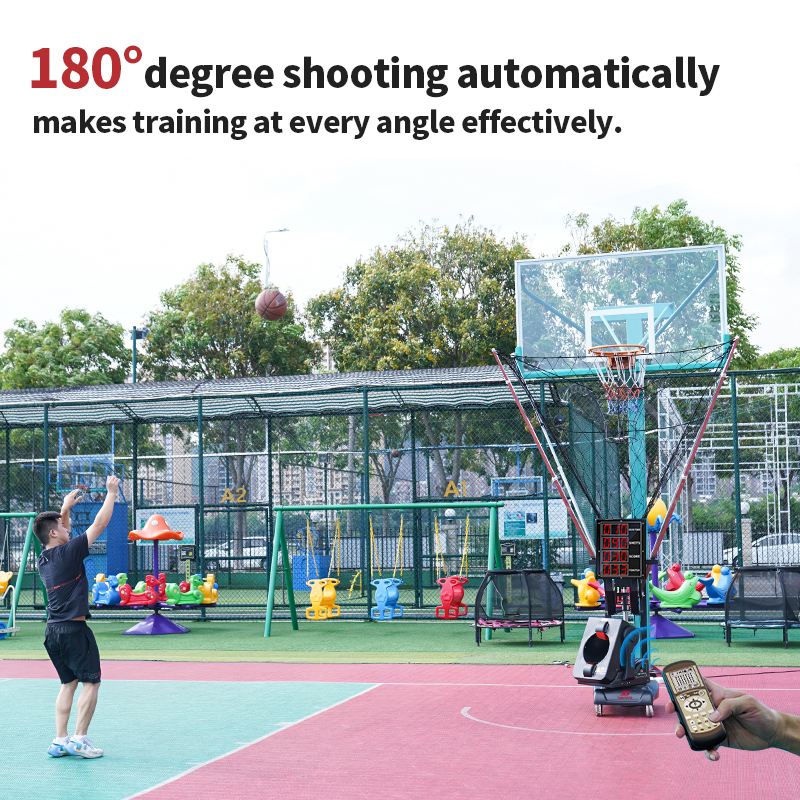
The hardest part of high-volume shooting is rarely the shooting itself. It is the passing. Someone has to chase the ball, feed it back, and keep the same delivery every time, and that someone is usually a teammate who would rather be working on their own game.
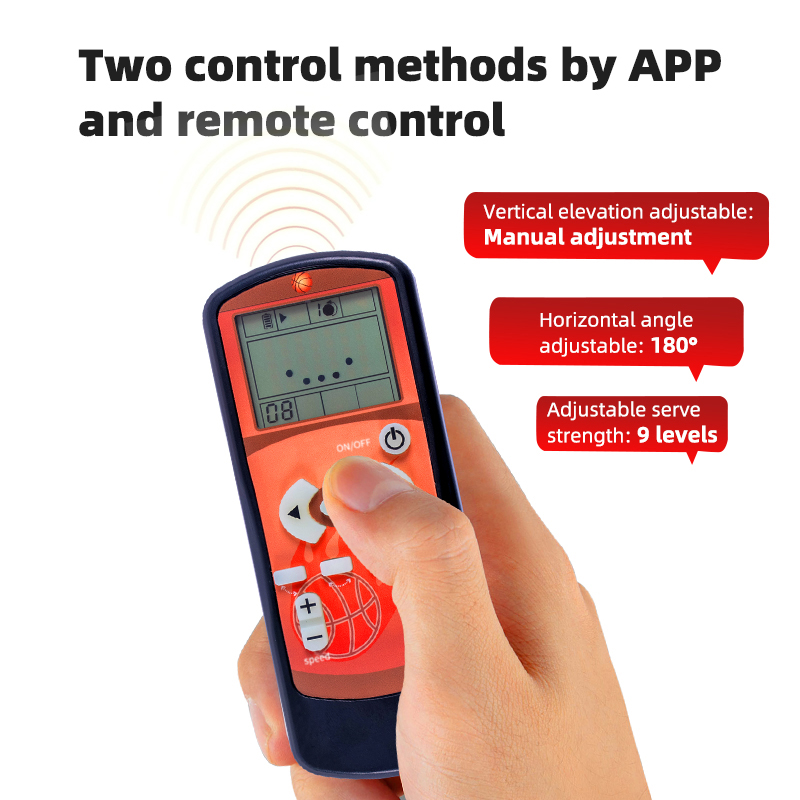
 K2101A Multi-Point Drill Modes and APP Control TrainerSupports two-, three-, five-, and seven-point drills with app or remote control, helping solo players follow repeatable shooting sequences without a passer.View Product →
The K2101A addresses that problem directly with multipoint drill modes and app control, which means you can script a sequence of spots and work through it alone. Instead of improvising, you follow a plan that mirrors real movement, catching at the elbow, then the wing, then the corner, at the same speed every time. Coaches who run team sessions often build an entire practice block around these patterns, and the professional training solutions page describes how those weekly plans are structured.
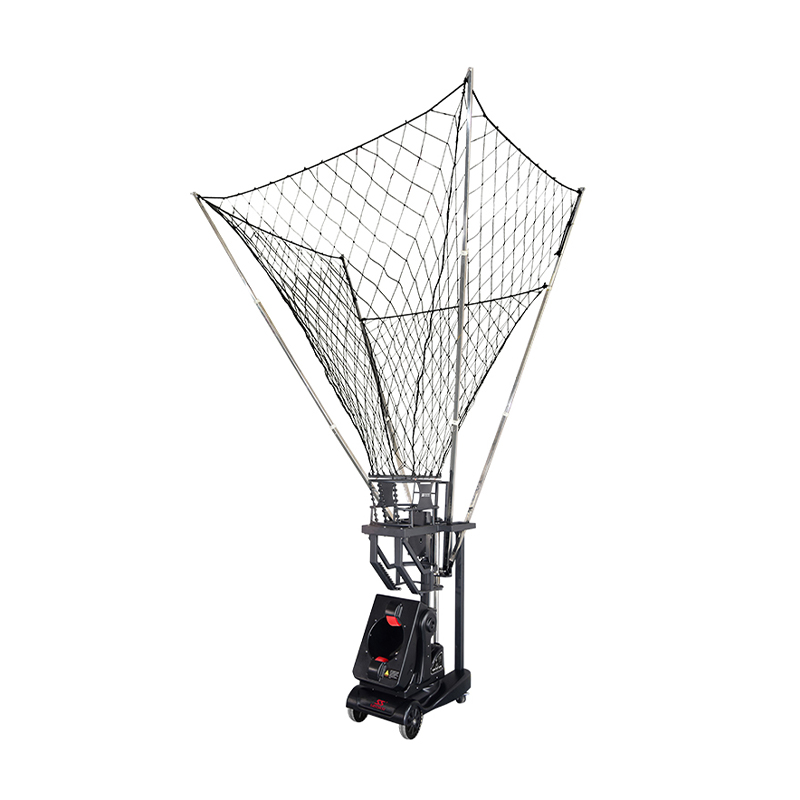
 Siboasi K3 Spin Delivery Basketball Training Machine with 60 PositionsOffers spin delivery and 60 horizontal drill positions with app or remote control, enabling precise catch-and-shoot work and repeatable court-zone targeting.View Product →
The K3 takes precision a step further with spin delivery and sixty horizontal drill positions, letting you work specific release angles and catch-and-shoot footwork rather than general volume. Youth programs follow the same idea with reduced distance and speed, which is the logic behind the youth training setups used by academies.
The Mental Side of a Repeatable Shot
Accuracy is partly a decision-making skill. Shooters who think about the result, the scoreboard, or the last miss tend to rush the release. Shooters who think about the process, the feet, the grip, the wrist, tend to shoot the same way under pressure as they do in an empty gym.
Two habits help. First, use the same pre-shot routine every time: same breath, same dip, same rhythm. Second, decide in advance what a good rep looks like. If it is a clean release and a held follow-through, then a miss that met those standards is still a successful rep, and your confidence stops depending on something you cannot control.
Common Mistakes That Stall Progress
- Watching the flight of the ball instead of holding the follow-through.
- Changing the release point from session to session without noticing.
- Spending all your time on three-pointers when the mid-range form is still unstable.
- Shooting heavy volume on tired legs, which trains the wrong movement pattern.
- Never recording attempts, so progress stays invisible.
None of these are dramatic errors. They are simply the small leaks that keep a good shooter stuck at the same percentage for years.
Improving basketball shooting accuracy is not about finding a secret. It is about building one repeatable motion, feeding it with enough well-organized repetitions, and measuring the result honestly. Get the base right, keep the volume smart, and let the numbers tell you what to fix next.



 Español
 عربى