Every great shooter you have ever watched built their stroke the same way: slowly, deliberately, and with a lot of repetitive work that nobody claps for. Getting better at shooting in basketball is not about finding a secret tip or a magic shooting sleeve. It is about tightening your fundamentals, choosing drills that mirror real game situations, and creating a feedback loop so you know whether the ball actually went in, and why.
Whether you are a beginner learning your first jump shot, a parent helping a young player in the driveway, or a coach planning a practice block, the path is the same. Below is a practical, court-tested approach you can start using today, at almost any level.
Master the Non-Negotiables of Shooting Form
Before you chase speed, range, or step-back threes, get the basic shot to repeat. Experienced shooting coaches keep returning to a handful of checkpoints that nearly every consistent shooter shares.
- Balance: feet about shoulder-width apart, weight centred, knees softly bent. Balance is the foundation of accuracy.
- Stance: feet slightly staggered, dominant foot a half-step ahead, both pointed toward the rim.
- Hand placement: shooting hand under the ball with fingers spread, off-hand on the side as a guide, never a pusher.
- Elbow alignment: elbow tucked under the ball, forming a roughly straight line from elbow to rim.
- Follow-through: the wrist snaps down and holds, often described as reaching your hand into the basket.
Spend a few sessions shooting only from close range while checking these boxes one at a time. If your balance is off, extra reps will not fix the miss. You will simply be rehearsing the same error at a higher volume.
Build a Repeatable Release and a Softer Arc
Two shooters can look identical at the start of the shot and completely different at the release. That final moment is where accuracy really lives.
Bring the ball up along the same path every time rather than swinging it out to the side. The ball should leave your index and middle fingers last, with backspin that gives you a friendly bounce on the rim instead of a hard clang.
Arc matters more than most players realise. A flat shot has a tiny margin for error, while a higher arc drops into the basket at a steeper angle and turns near-misses into makes. You do not need to launch the ball at the ceiling, but you do want a soft, high release that peaks above the level of the backboard.
Drills That Actually Move the Needle
Good shooting drills share two traits: they are simple enough to repeat hundreds of times, and they give you a clear standard for success.
- Form shooting from under the rim. Start two steps from the basket, shoot one-handed then two-handed, focusing only on touch and follow-through.
- Nothing-but-the-net reps. Shoot from five spots and count swishes only, which forces you to aim at a target rather than near the hoop.
- One-hand free throws. Take the guide hand away to expose any pushing or thumbing motion.
- Elbow-to-elbow mid-range. Move along the free-throw line extended, catching and shooting at game speed.
- Fatigue shooting. Shoot ten free throws after a sprint, then repeat. Game shots rarely come with fresh legs.
- Close-out shooting. Have a partner close out with a hand up so you learn to release against a contest.
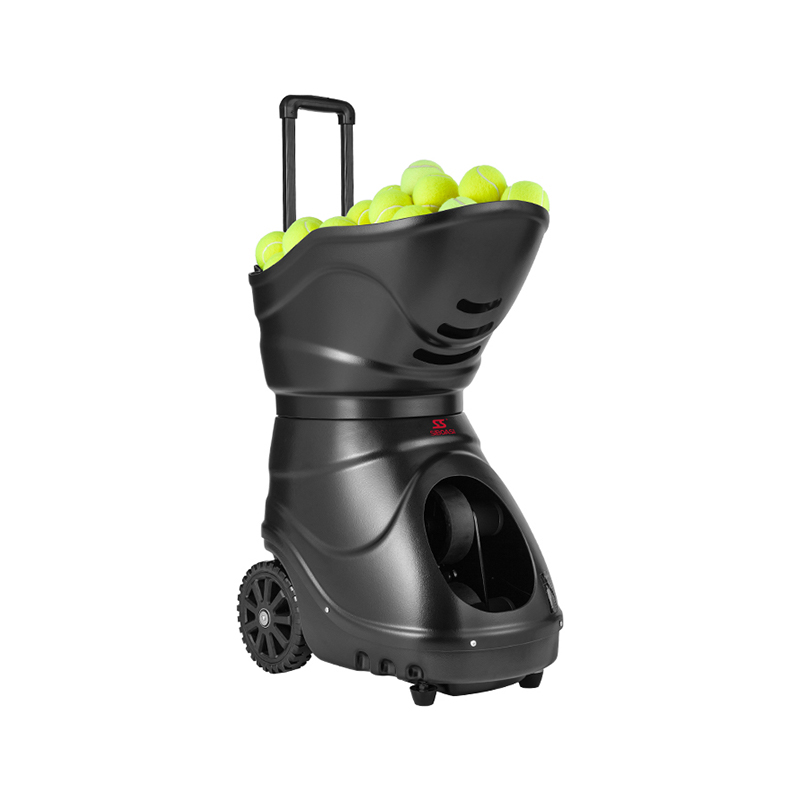
If you train alone without a rebounder, a programmable machine can run these same patterns for you. The Siboasi K2101A supports multipoint drill modes with app control, so you can queue up spots and catch-and-shoot sequences without chasing every miss yourself.
 Siboasi K2101A Multi-Point App-Controlled Basketball Training MachineFor solo shooting drills, this app-controlled machine queues multipoint sequences and returns balls continuously, helping you practice specific spots without chasing every miss.View Product →
Practice With Purpose: Reps, Feedback, and Tracking
Why tracking beats random shooting
Random shooting feels productive but rarely is. If you take two hundred shots without knowing your percentage from each spot, you are guessing at your own progress.
Give every session a measurable goal. It might be seventy percent from the free-throw line, fifty percent on catch-and-shoot threes, or simply beating last week's number from the elbow. Write it down. This single habit separates players who improve from players who merely work out.
Make the feedback immediate
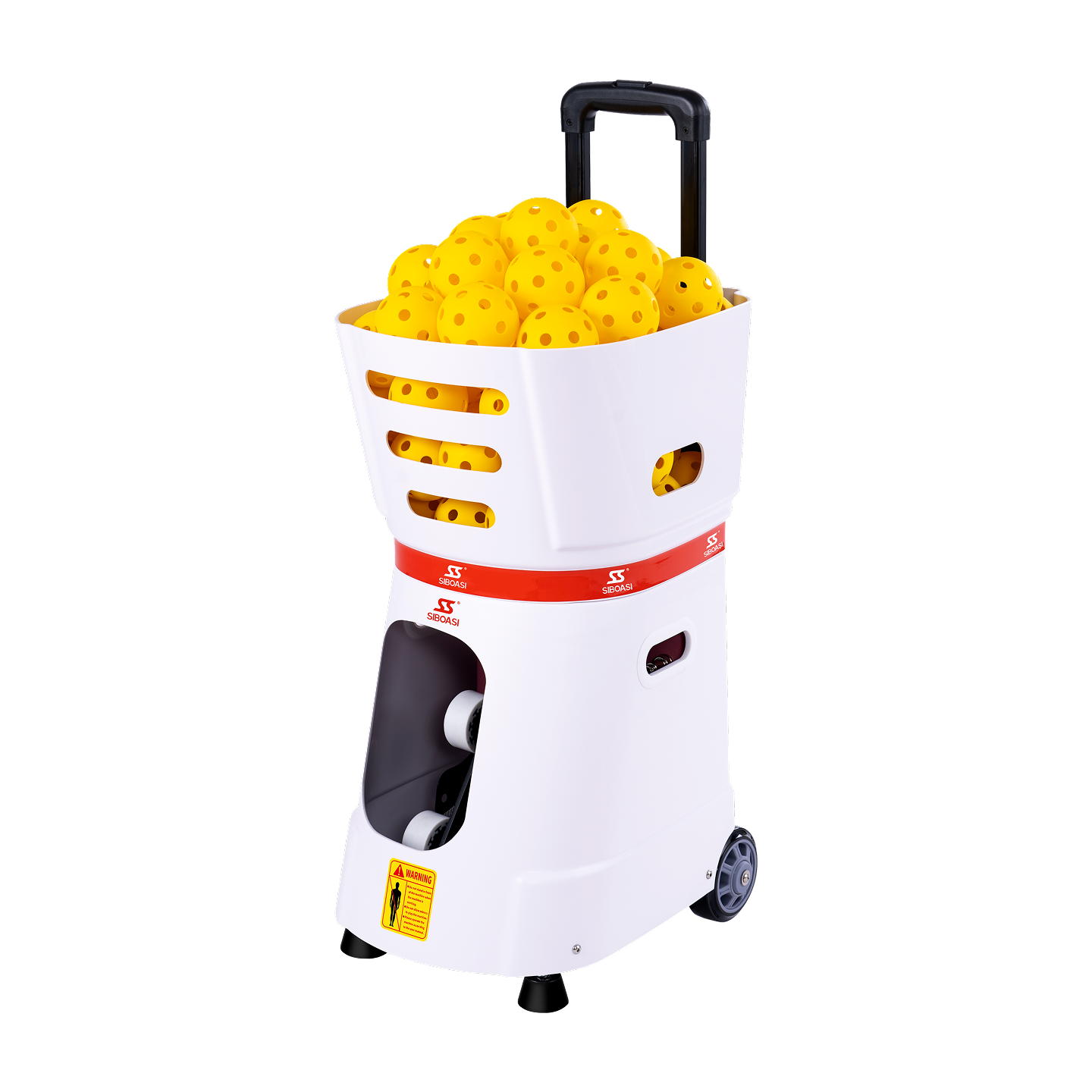
Feedback works best when it arrives instantly, while your body still remembers the shot. That is why live data is so useful in solo practice. The Siboasi K2100A includes an LED display that shows your score and real-time hit rate as you shoot, so you can see which drill is helping and which one is quietly wasting your time.
 Siboasi K2100A LED Score and Hit-Rate Basketball MachineThis shooting machine shows real-time score and hit rate on an LED display, giving solo players immediate feedback while running multipoint drills.View Product →
Add Movement and Game-Speed Variety
Standing still and shooting is a starting point, not a finish line. Defenders do not let you set your feet, so your training should include shots off the dribble, off screens, and after a hard cut.
Change one variable at a time
Shoot with a faster pass, then a slower one. Add a spin, then take it away. Adjust the angle so the ball arrives from the wing, the corner, and the top of the key. Your body learns to solve problems when the input keeps changing, and those solutions carry over into games.
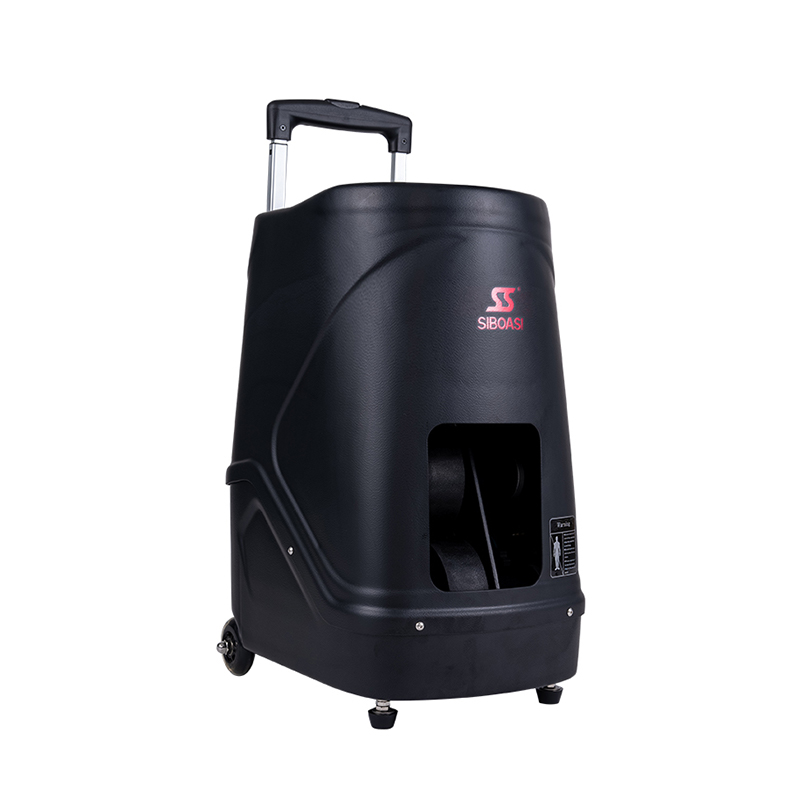
Training partners get tired; machines do not. The Siboasi K3 delivers spin and places the ball across sixty horizontal positions, which lets you simulate corner threes, wing pull-ups, and elbow jumpers inside a single session.
 Siboasi K3 Spin Delivery 60-Position Basketball Training MachineWith spin delivery and sixty selectable horizontal positions, this machine helps replicate varied catch-and-shoot spots for high-volume shooting practice without a training partner.View Product →
Diagnose Your Misses Instead of Guessing
Every miss is information. Before you shoot again, ask what the ball just told you. The table below covers the three misses you will see most often and what they usually mean.
A quick reference for reading your misses and correcting them on the spot.
| Miss Pattern |
What It Usually Means |
How to Fix It |
| Short, front rim |
Not enough legs or too flat an arc |
Shoot from closer, add arc, check balance |
| Long, back rim |
Too much power or a rushed release |
Soften the shot, slow the prep, relax the shoulders |
| Left or right |
Elbow flare or guide hand pushing |
One-hand form shooting, align elbow under the ball |
Fix the cause, not the symptom. If your shots are consistently short late in a workout, the real issue is usually your legs, not your wrist.
Build Confidence and Game-Ready Habits
Confidence is not a personality trait; it is evidence. You earn it by making shots in practice, tracking them honestly, and then trusting the work when the game starts.
Two habits build that trust quickly. First, always finish a workout with makes, ending on a swish rather than a miss. Second, rehearse pressure. Shoot free throws while your heart rate is up, or attach a small consequence to a miss. Your nervous system learns that the moment matters and that you can still deliver.
If you are setting up a home practice corner, it helps to see how others structure their home training space before you buy anything. Coaches and programme directors can take a similar look at our professional training solutions for team-level sessions.
A Simple Weekly Shooting Framework
- Monday: form shooting, one hundred makes from inside the paint.
- Tuesday: free throws, fifty makes with a target percentage in mind.
- Wednesday: off-dribble and movement shooting from five spots.
- Thursday: light day with ball handling, footwork, and recovery.
- Friday: game-speed shooting against a close-out or a machine.
- Saturday: full workout with tracked percentages at every spot.
- Sunday: rest and a short review of what the numbers told you.
Adjust the volume to your age, fitness, and schedule. Consistency across months matters far more than one heroic session.
The best shooters are rarely the ones with the most natural talent. They are the ones who shoot with attention, keep score honestly, and show up again the next day. Start with form, add feedback, and let the reps stack up quietly in the background.
Your percentage will follow. Give it a few weeks, and you will feel the difference long before the stat sheet shows it.



 Español
 عربى