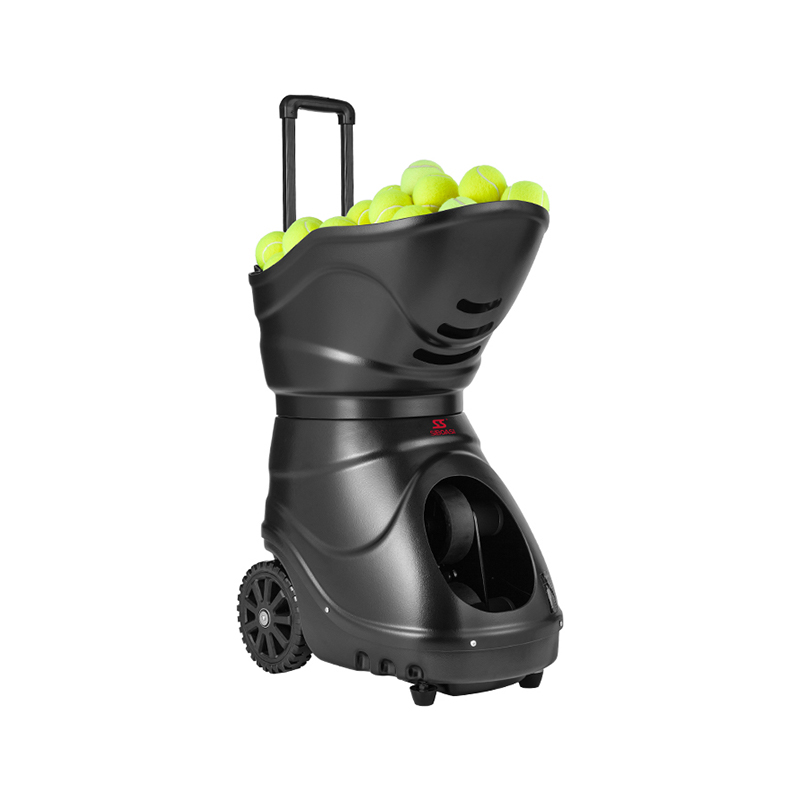
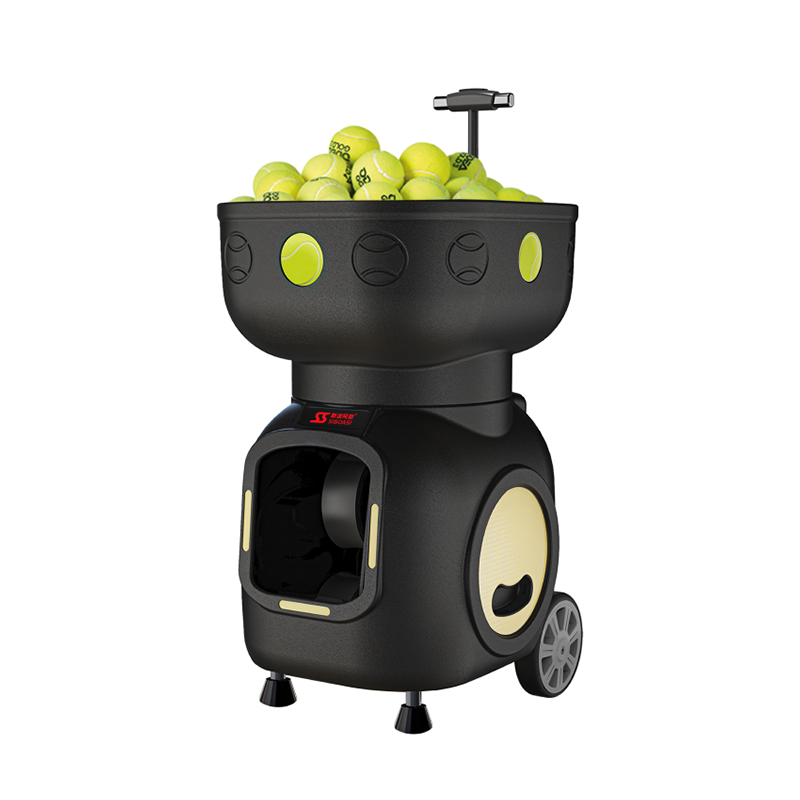
A tennis ball machine is one of the most versatile training tools you can own. Whether you are a beginner looking to build muscle memory or a competitive player fine‑tuning your shot selection, structured drills make every practice session count. Over the years, I have worked with countless players who started with random hitting and saw limited progress. The moment they adopted focused drills, their improvement accelerated. Let me walk you through a range of proven tennis ball machine drills that target different aspects of your game.
Why Structured Ball Machine Drills Work
Without a plan, a ball machine can become a “ball feeder” rather than a training partner. Structured drills force you to move with purpose, track patterns, and simulate match conditions. They also allow you to isolate weaknesses. For instance, if your backhand down the line is inconsistent, you can set the machine to feed only that pattern. Most modern machines – including the smart tennis ball machines from Siboasi – offer programmable drills that let you repeat exact sequences, making repetition truly productive.
Drills for Beginners: Building Consistency
New players often struggle with timing and contact point. The following drills help establish a solid foundation.
Stationary Forehand & Backhand
Set the ball machine to feed easy balls directly to your forehand side, then alternate to the backhand. Stay in a fixed position and focus on clean contact. After ten successful forehands, switch sides. This drill builds confidence and reinforces proper swing mechanics. Once consistent, increase the feed speed gradually.
Simple Cross‑Court Pattern
Program the machine to feed balls to the deuce court at a moderate pace. Your goal is to hit every ball cross‑court. Repeat for the ad court. This drill trains your ability to redirect the ball while maintaining depth. Use a target cone or towel on the opposite side to measure accuracy.
Intermediate Drills: Footwork and Movement
Once you can hit consistently from a static position, it is time to incorporate movement. These drills will sharpen your footwork and endurance.
Have the machine feed alternately short and deep balls. For example, the first ball lands near the service line, the next at the baseline. You must move forward and backward quickly. Focus on split‑stepping as the machine releases the ball. This drill mimics real match scenarios where you have to adjust depth on the fly.
Side‑to‑Side Shuffle
Program the machine to feed balls to the forehand side, then immediately to the backhand, with a short pause in between. Shuffle across the baseline, set your feet, and hit each ball down the line. Keep the pace moderate at first; later you can increase the feed speed to simulate a fast rally. This drill is excellent for improving lateral movement and recovery.
Advanced Drills: Volleys and Approaching the Net
Net play often decides close matches. These volleyball‑focused drills help you become comfortable attacking the net.
Volley Reaction Drill
Set the machine to feed low balls at a moderate speed. Position yourself at the net. The drill starts with a forehand volley, then a backhand volley, alternating. Do not swing; simply redirect the ball back to the middle of the court. This develops quick hands and soft touches. For a greater challenge, ask the machine to vary the height of the feed.
Approach and Volley
Start at the baseline. Have the machine feed a short ball that forces you to move forward. Hit an approach shot (preferably deep to a corner), then continue to the net. The machine will immediately feed a second ball for a volley. This pattern simulates a typical point: approach, volley, and possibly an overhead. Repeat until the sequence feels automatic.
Match Simulation Drills
To prepare for real competition, your practice must replicate match pressure. These drills combine multiple shots and movement.
Cross‑Court Rally Simulation
Program the machine to feed balls to your forehand side in a cross‑court pattern. Your task is to return every ball cross‑court with depth and spin. After six shots, the machine feeds one down‑the‑line ball – you must adjust your body and hit a defensive or offensive shot. This randomness keeps you alert and improves your ability to read patterns.
Scramble Drill (Seven‑Ball Challenge)
One of my favorite drills is the “scramble seven.” The machine sends seven balls in a random sequence: deep, short, wide forehand, wide backhand, then a combination. Your goal is to recover to the center after each shot. This drill pushes your endurance and anticipation. For advanced players, reduce the recovery time by increasing the feed speed. After completing the drill, take a short break and repeat.
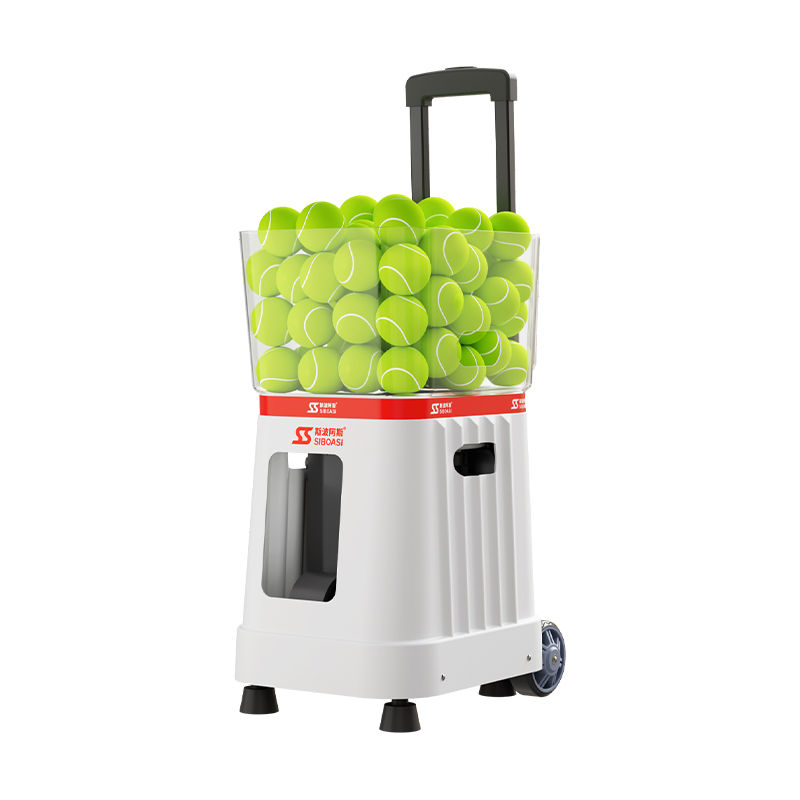
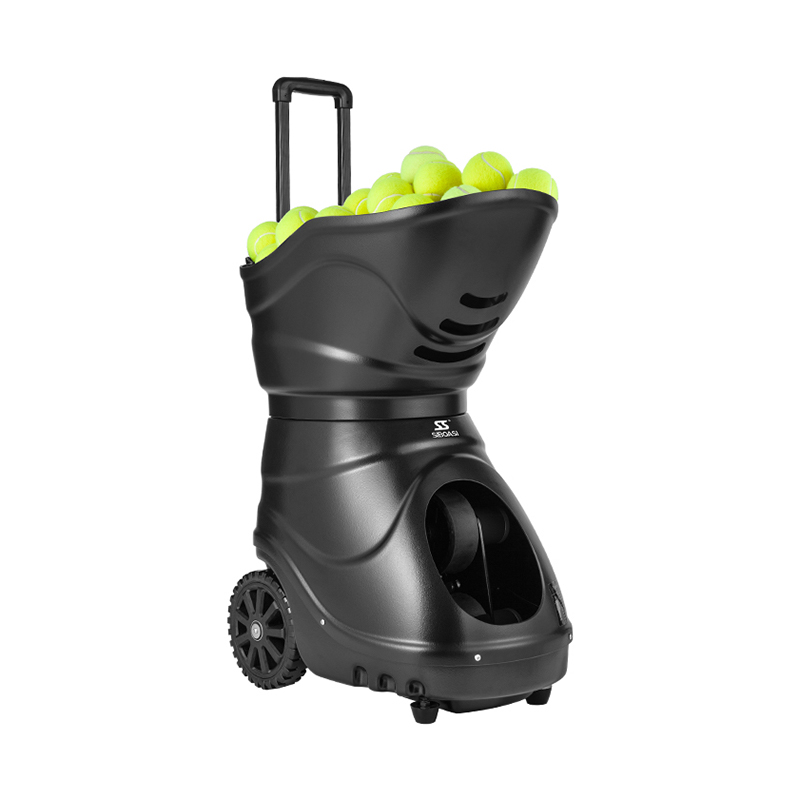
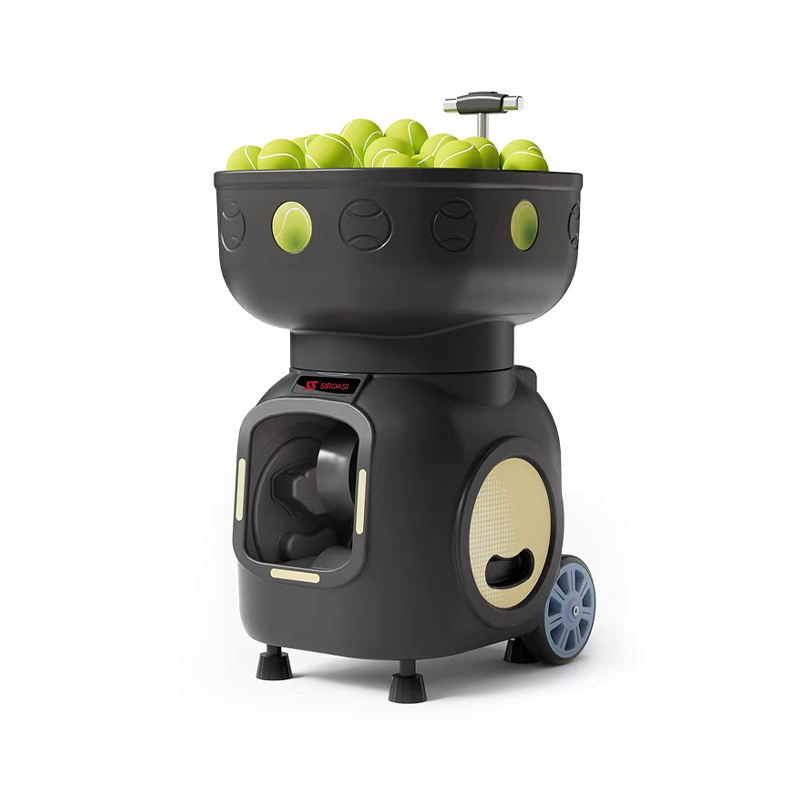
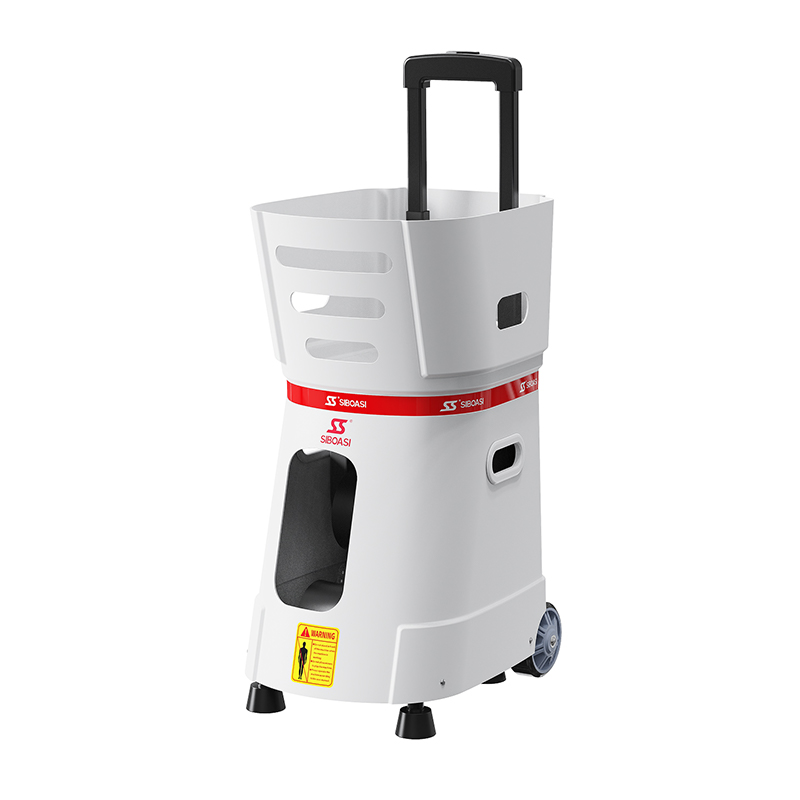
Using a 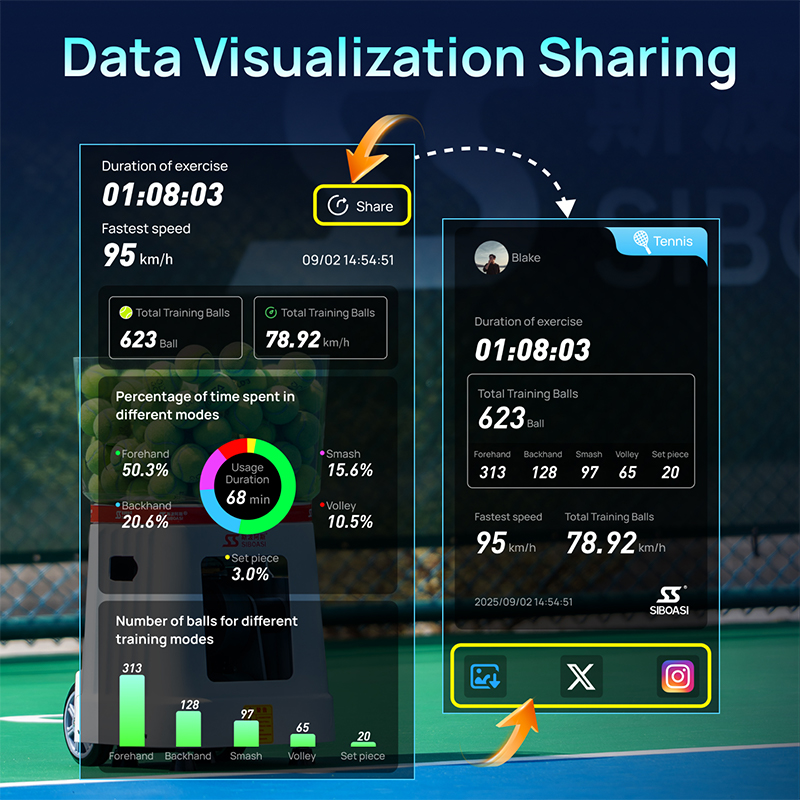 T7Pro Voice-Control Tennis Ball Machine for Team Tactical TrainingThe T7Pro lets coaches store multiple drill patterns and switch mid-session using voice control, making it easy to set up tactical sequences. Its precision serve system replicates match conditions, ideal for high-intensity team practice.View Product → with voice control and programmable zones makes setting up these sequences effortless. The T7 Pro allows you to store multiple drill patterns so you can switch between them mid‑session.
How to Structure a Productive Practice Session
To get the most out of your ball machine, follow a simple session plan. A typical 45‑minute session could look like this:
- Warm‑up (5 minutes): Light baseline rallies with easy feeds.
- Core drill (15 minutes): Focus on one primary weakness – for example, backhand depth or footwork.
- Secondary drill (10 minutes): Work on volleys or approach shots.
- Simulation (10 minutes): Match scenario with random feeds.
- Cool‑down (5 minutes): Slow, controlled shots to reinforce muscle memory.
If you practice at home, a reliable machine like the 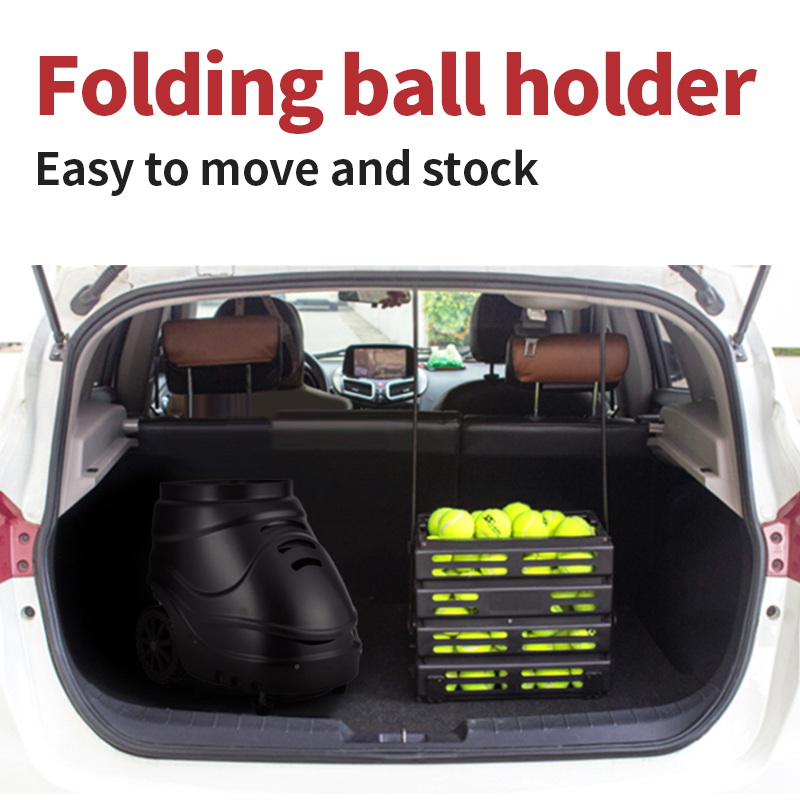 T2202A 21-Zone Programmable Tennis Ball Machine with APP ControlWith 21 court landing zones and app connectivity, the T2202A allows you to design custom drills and adjust settings from your phone. It is a reliable choice for structured home or club training with precise ball placement.View Product → with 21‑zone programming lets you design drills that match your session goals. The T2202A’s app connectivity makes it simple to adjust settings from your phone.
Choosing the Right Machine for Your Drill Needs
Not all ball machines are created equal. When selecting a machine for drill‑based training, look for the following features:
- Programmable drill patterns: The ability to save and recall sequences is critical.
- Varied spin and speed: Simulating topspin, flat, and slice shots makes drills more realistic.
- Remote or app control: Adjusting settings without walking to the machine keeps your rhythm intact.
- Battery life: A long‑lasting battery lets you finish your full session without interruption.
For players who want maximum control, a model such as the  T5 Full Match Simulation Tennis Ball Machine for Scenario PracticeThe T5 automatically varies speed, spin, and placement to mimic real match scenarios like break points or closing sets. Its intelligent modes provide structured, competitive repetition for players advancing beyond basic drills.View Product → offers full match simulation modes that automatically vary speed, spin, and placement. The T5’s scenario‑based programming lets you practice specific match situations, like defending break points or closing out a set.
If you are just starting out, a basic machine may suffice, but as you progress, investing in a programmable model will unlock countless drill possibilities. For more detailed guidance, explore our home training solutions and professional training solutions tailored to different skill levels.
Final Thoughts
Effective tennis ball machine drills are the bridge between mindless hitting and purposeful improvement. By structuring your practice sessions with specific goals, you will see faster gains in consistency, footwork, and match readiness. Whether you are drilling at home or on a club court, remember to mix up patterns and challenge yourself gradually. The smart machines available today make it easier than ever to design personalized drills that fit your game. Take your practice to the next level – one drill at a time.



 Español
 عربى