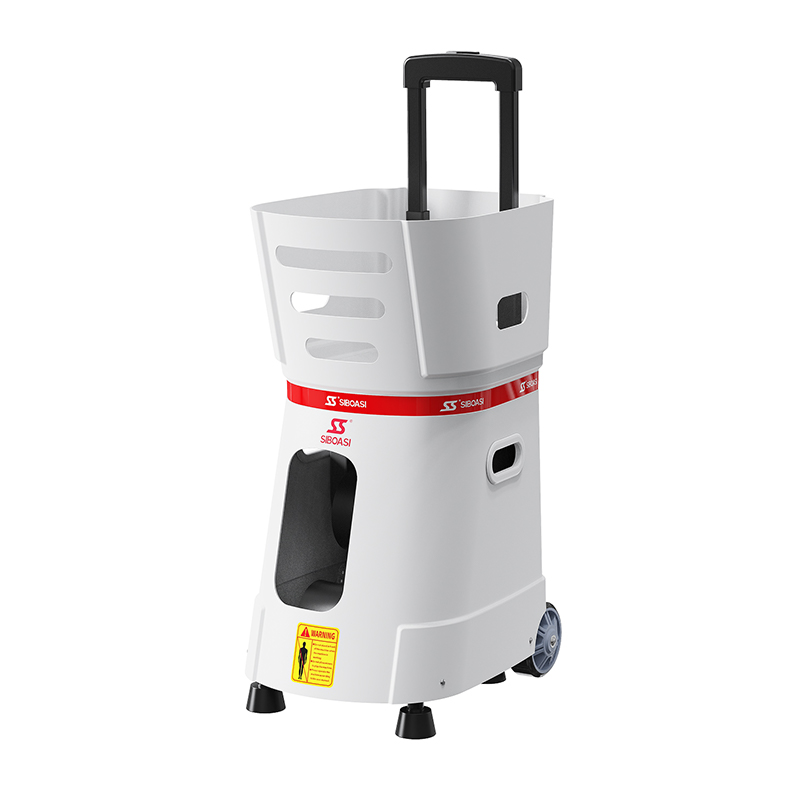
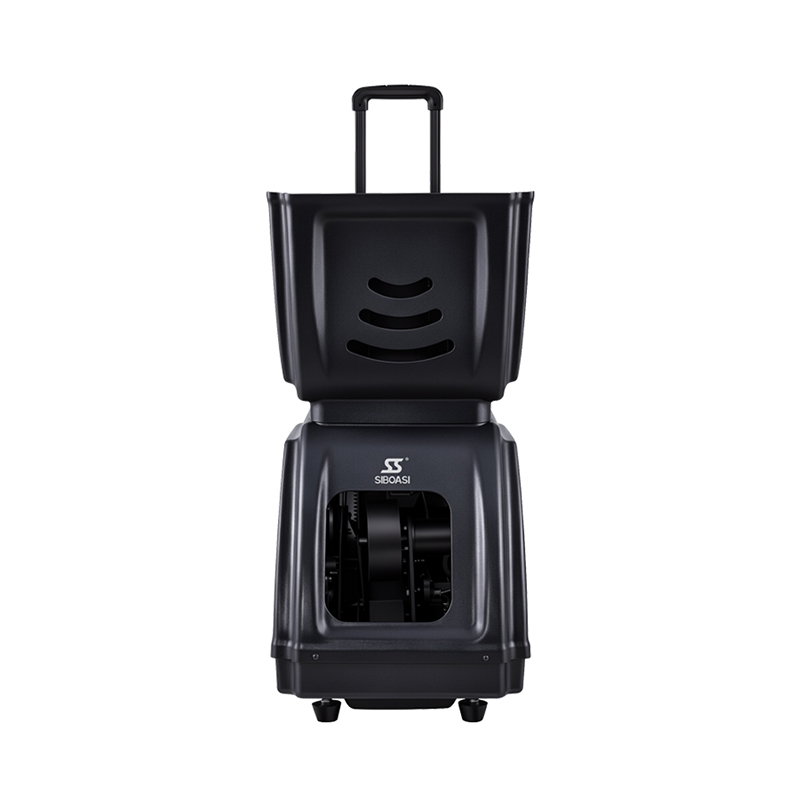
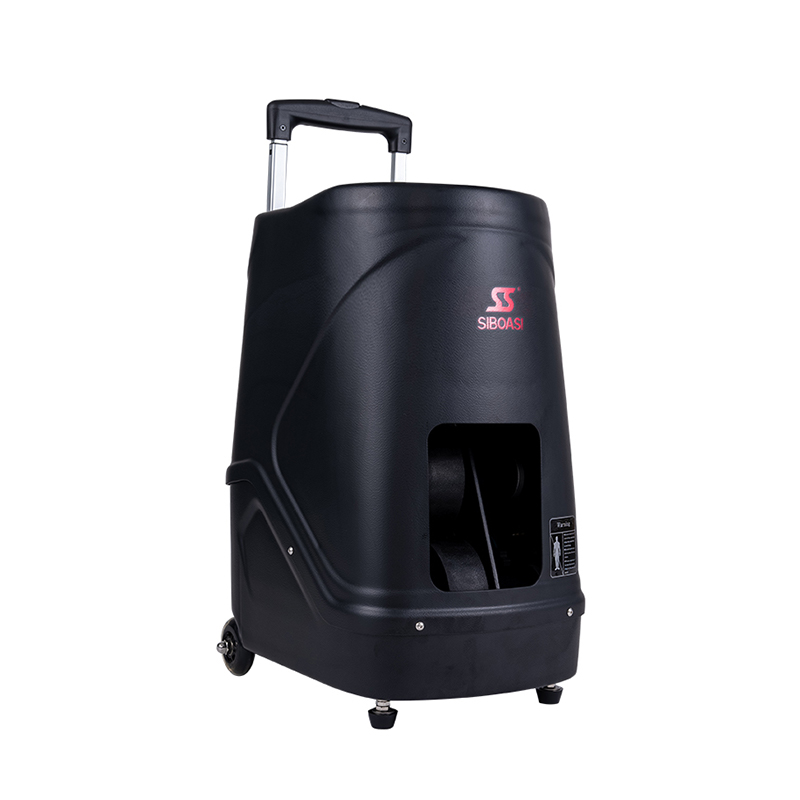
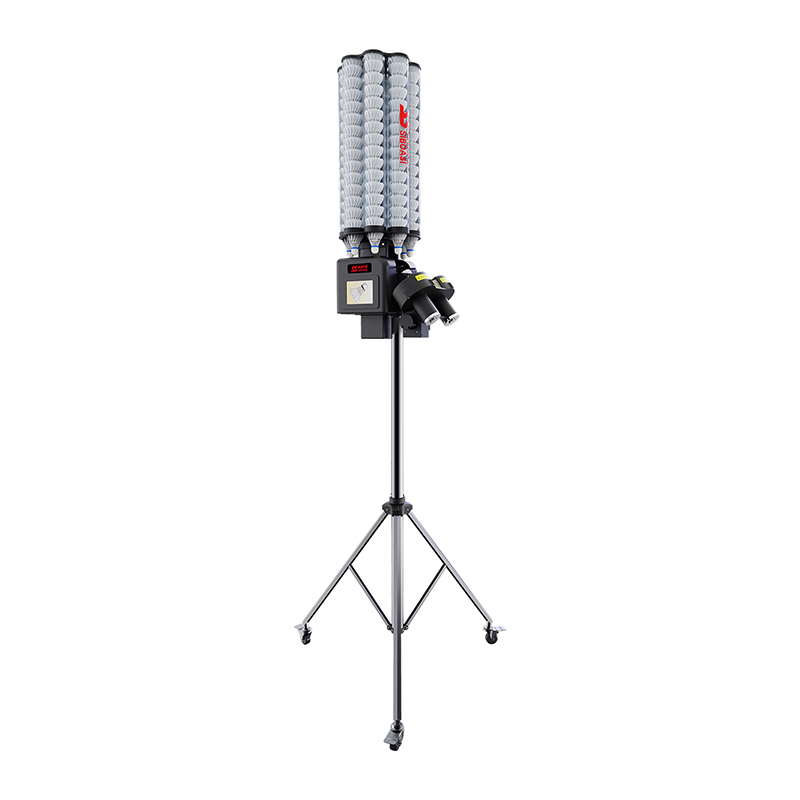
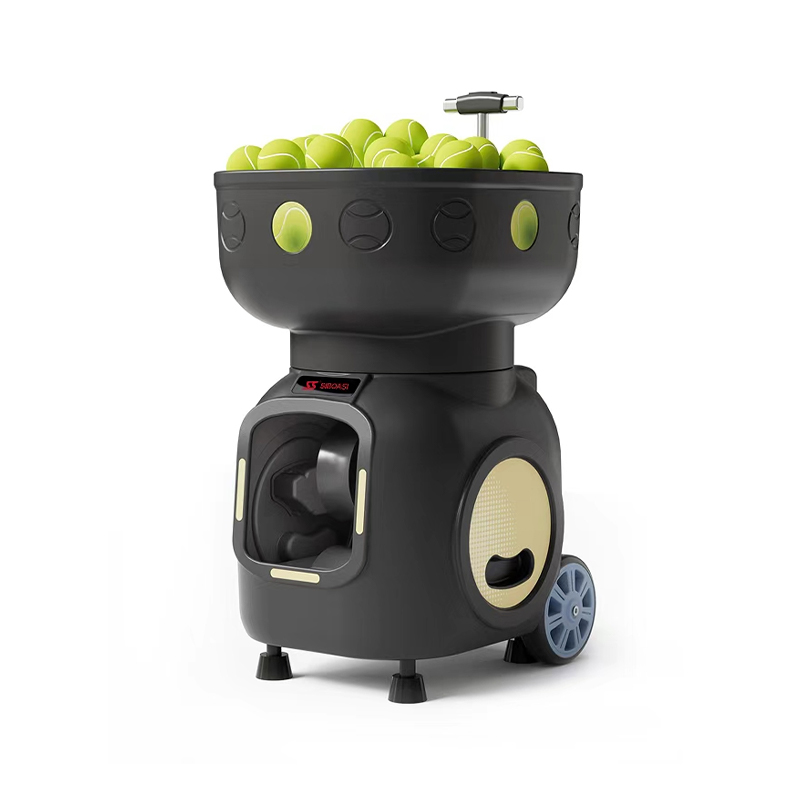
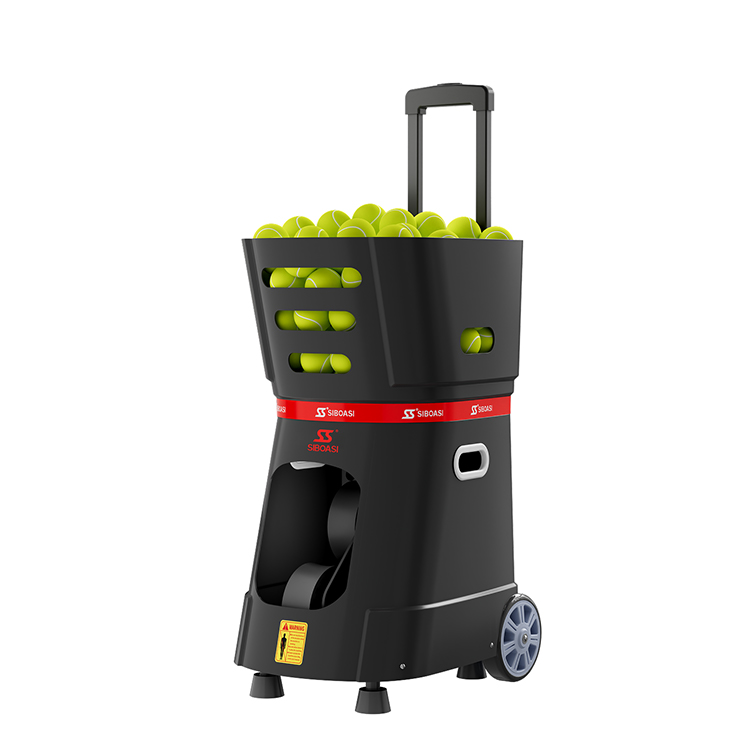
Why Padel Training Institutions Are Turning to Ball Serving Machines
Padel has grown rapidly as a sport that demands quick reflexes, precise angle reading, and consistent shot repetition. Traditional training methods relying on a coach or partner to feed balls manually often fall short when it comes to consistency, especially during long sessions. A custom padel ball serving machine solves this problem by delivering a steady, programmable stream of balls that mimics real match conditions without the limitations of human fatigue.
For platform tennis enthusiasts, professional players, and training institutions, this equipment has become a practical solution for structured skill development. It removes the dependency on a second person for feeding balls, freeing coaches to focus entirely on observing technique and providing feedback rather than splitting attention between feeding and instruction.
Adjustable Speed Settings for Every Skill Level
One of the defining features of a quality padel serving machine is its range of adjustable launching speeds. Beginners benefit from slower serves that allow time to read the ball's trajectory and practice basic footwork and paddle positioning. As players progress, speed settings can be increased to challenge reaction time and simulate the pace of competitive play.
Beginner-Level Training
Slow, predictable serves help new players build confidence in their swing mechanics without the pressure of fast-paced rallies. This gradual introduction reduces frustration and supports proper form development from the start.
Advanced Player Conditioning
Fast serve settings replicate the intensity of high-level matches, helping experienced players sharpen reflexes and maintain composure under pressure. This range makes a single machine suitable for an entire training facility with mixed skill levels.
Controlling Launch Angles to Simulate Real Match Scenarios
Padel matches involve constantly changing ball trajectories, and a serving machine that offers flexible launch angle control gives players exposure to a wider variety of realistic shots. Machines capable of adjusting to forehand positions, backhand positions, and varying incoming heights allow athletes to practice specific weaknesses rather than repeating the same shot pattern.
| Angle Setting |
Training Focus |
| Forehand angle |
Groundstroke consistency and footwork positioning |
| Backhand angle |
Defensive shot accuracy and paddle control |
| High incoming ball |
Overhead smash timing and power |
| Low incoming ball |
Bandeja and vibora technique refinement |
This level of angle customization means players are not just practicing generic shots but training against scenarios that closely mirror what they will face in actual competition.
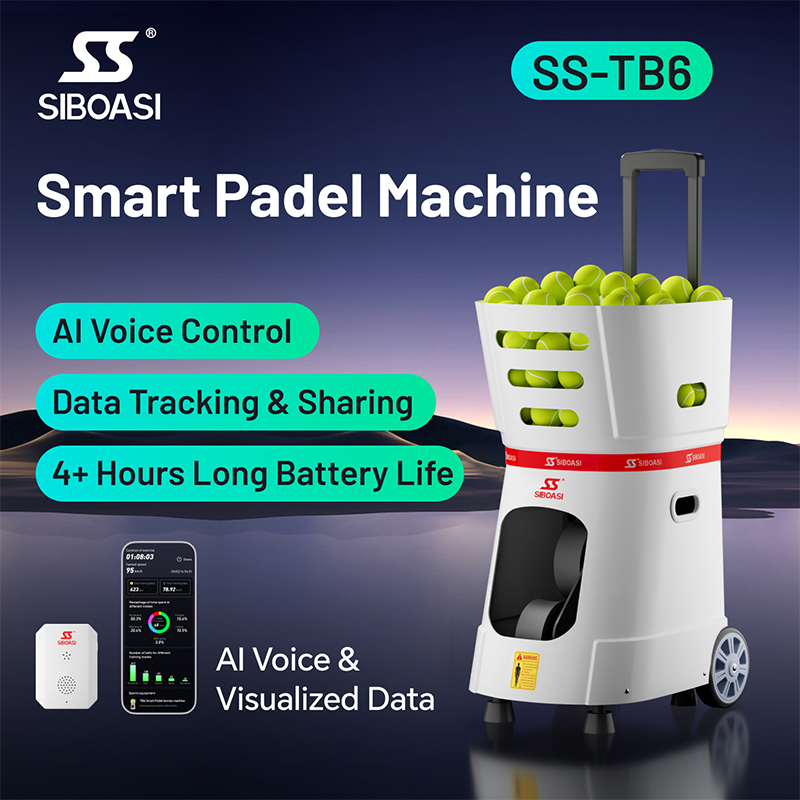
Ball-Feeding Frequency Options for Different Training Goals
Feeding frequency is another critical setting that separates a basic ball machine from a truly versatile training tool. Single-shot delivery gives players time to reset their position and prepare mentally before each serve, which is ideal for technique-focused sessions. Rapid continuous feeding, on the other hand, is designed to build stamina and quick decision-making under sustained pressure.
- Single-shot mode for technique correction and controlled repetition
- Continuous feeding mode for cardio endurance and rapid reaction training
- Randomized interval feeding to prevent players from anticipating shot timing
- Programmable pause settings between sets for structured drill sequences
Coaches can switch between these modes throughout a single session, building a training plan that progresses from controlled repetition to high-intensity match simulation.
Portability and Build Quality for Multi-Venue Use
Training institutions often operate across multiple courts or locations, making portability an important practical consideration. A compact, lightweight machine body allows staff to move equipment between a small community court and a professional training facility without requiring special transport arrangements. This flexibility supports institutions that run mobile coaching programs or rent court space at different venues throughout the week.
Beyond portability, the precision of the ball-launching system directly affects training quality. High-precision launching technology ensures that each shot lands with consistent speed, angle, and spin, which is essential for players trying to build muscle memory. Inconsistent ball delivery can actually hinder progress by forcing players to adjust to unpredictable variables rather than focusing on their own technique.
Programmable Training Modes for Personalized Practice
The intelligent control module found in advanced padel serving machines allows users to save and reuse custom ball-feeding sequences. Rather than manually adjusting settings before every session, players and coaches can pre-program combinations of speed, angle, and frequency tailored to specific training goals.
Match Simulation Sequences
Custom programs can replicate the flow of an actual rally, alternating between angles and speeds to challenge players in ways that closely resemble competitive conditions.
Weakness-Specific Drills
Players struggling with a particular shot type can create a dedicated program that repeatedly targets that weakness, accelerating improvement in a focused, measurable way.
Advantages Over Traditional Manual Ball Feeding
Manual ball feeding depends heavily on the stamina and consistency of the person feeding the balls, which naturally declines over the course of a long session. An intelligent padel ball serving machine removes this limitation entirely, providing stable and accurate delivery regardless of session length.
- Consistent shot quality throughout extended training sessions
- Reduced reliance on a second person, allowing solo practice sessions
- Greater ability for institutions to standardize training programs across multiple coaches
- More efficient use of court time, since players can begin training immediately without waiting for a feeder
For training institutions in particular, this consistency translates directly into improved teaching quality. When every player receives the same standardized ball delivery, coaches can more accurately assess progress and compare performance across different students or training groups.
Choosing the Right Machine for Your Training Needs
When evaluating a custom padel ball serving machine, buyers should consider the balance between technical capability and practical usability. Key factors include the range of speed and angle adjustments, the number of programmable modes available, battery life or power requirements, and overall portability for institutions operating across multiple courts.
Ultimately, the right machine should match the specific goals of its users, whether that means supporting beginner-friendly practice sessions, enabling advanced match simulation, or helping training institutions deliver consistent, scalable instruction to a growing base of players.


 Español
 عربى
عربى