Walk into any gym and you can usually spot the real shooters before the ball even goes in. It is not the flashy handle or the vertical leap — it is the way they set their feet, the compact path the ball takes on the way up, and the wrist that stays hanging in the air after the release. The proper form of shooting a basketball is not a secret handed down to a chosen few. It is a short list of details that repeat, rep after rep, until the shot stops being a decision and becomes a habit.
We spend our working days building basketball training equipment, and we have logged a lot of hours listening to coaches argue about the smallest things — thumb position, elbow angle, how high the release point should really be. What follows is the version of shooting form those coaches keep coming back to, along with the drills that help players actually feel it.
Why Form Beats Raw Talent
Shooting looks like an arm skill, but it is really a chain. Power starts in the floor, travels through bent knees and hips, passes through the core, and only then arrives at the fingertips. When any link in that chain breaks down, the body compensates somewhere else — usually with a pushed shot, a drifting shoulder, or a flat arc that clangs off the front rim.
The value of good mechanics is repeatability. A player with textbook form can miss five in a row and still make the next five, because there is nothing random to fix. A player with flawed form has to guess which of a dozen variables went wrong. Under fatigue and defensive pressure, the shot that survives is the simple one.
Start From the Floor: Stance and Base
Feet should sit about shoulder-width apart, with the shooting-side foot half a step forward. A right-handed shooter typically points the shooting foot at the rim and lets the other toe sit slightly open; a lefty mirrors that. The old advice to square both feet to the basket like a statue is not wrong, but it is not mandatory either — what matters is that the hips, shoulders and elbow end up on the same vertical line toward the target.
The dip and the load
Great shooters load the legs as the ball arrives, not after. Think of the sequence as down-up-shoot: the hips drop a few inches, the ball meets the hands, and everything rises together. Players who catch standing straight then bend into the shot are already a beat late. Keep the weight on the balls of the feet, never the heels, and keep the knees tracking over the toes rather than collapsing inward.
Hand Placement and the Shooting Pocket
The shooting hand sits under and slightly behind the ball, fingers spread wide but relaxed. The ball should rest on the fingertips and the pads of the fingers, with a small gap between the palm and the leather — a palm-flat grip kills the touch. Line the index or middle finger up with the valve of the ball if it helps you find the same grip every time.
The guide hand goes on the side, thumb pointing up or slightly back. Its job is balance only. The moment it starts pushing, the ball leaves with side spin and the shot rotates off line. On the way up, keep the ball close to the body and bring it into the shooting pocket around chest or waist height, with the shooting elbow tucked under the ball rather than flared out like a chicken wing.
The Release and the Follow-Through
As the legs extend, the shooting arm rises and extends in one smooth line — elbow under the ball, forearm driving up, wrist snapping forward and down. The ball should roll off the index and middle fingers last, giving it clean backspin. Release somewhere above the forehead, not out in front of the face where it becomes a push shot.
Then freeze it. Hold the follow-through with the wrist bent and the fingers pointing down into the rim, as if you are reaching over the front of the basket. That hold is not for show; it keeps the shooting motion long enough to be accurate. Aim for a consistent, comfortable arc somewhere near 45 degrees, and finish balanced enough to land roughly where you took off.
Common Form Faults and Quick Fixes
Almost every shooting problem we see in training sessions falls into a handful of familiar categories. Use the table below as a quick diagnostic during your next workout.
Typical shooting-form faults, their costs, and the coaching cue that usually corrects them.
| Fault |
What It Costs |
Correction Cue |
| Elbow flares outward |
Side spin, misses left or right |
Shoot with the elbow "under the ball," tucked inside the shoulder line |
| Guide-hand thumb push |
Inconsistent rotation off the fingertips |
Shoot one-handed from close range; keep the guide hand open and passive |
| Flat, line-drive arc |
Smaller target, no soft bounces |
Finish with the fingers pointing down, aim above the front rim |
| Leaning or fading |
Loss of power and balance on contact |
Land in the same footprint you jumped from; shoot off two feet |
| Late leg load |
Arm-dominant shot, short on long attempts |
Say "down-up-shoot" out loud until the rhythm sticks |
Drills That Groove the Right Form
Form is built close to the basket, then tested farther out. Start every session with the following:
- One-hand form shooting from two or three feet away, five spots, ten makes each, no guide hand.
- Wall wrist snaps: ball on the fingertips, snap and catch, focusing on backspin and a held finish.
- Chair or one-step shots: sit and stand into a release to feel the legs drive the shot.
- Free-throw routine: two dribbles, breathe, dip, shoot — the same rhythm every time.
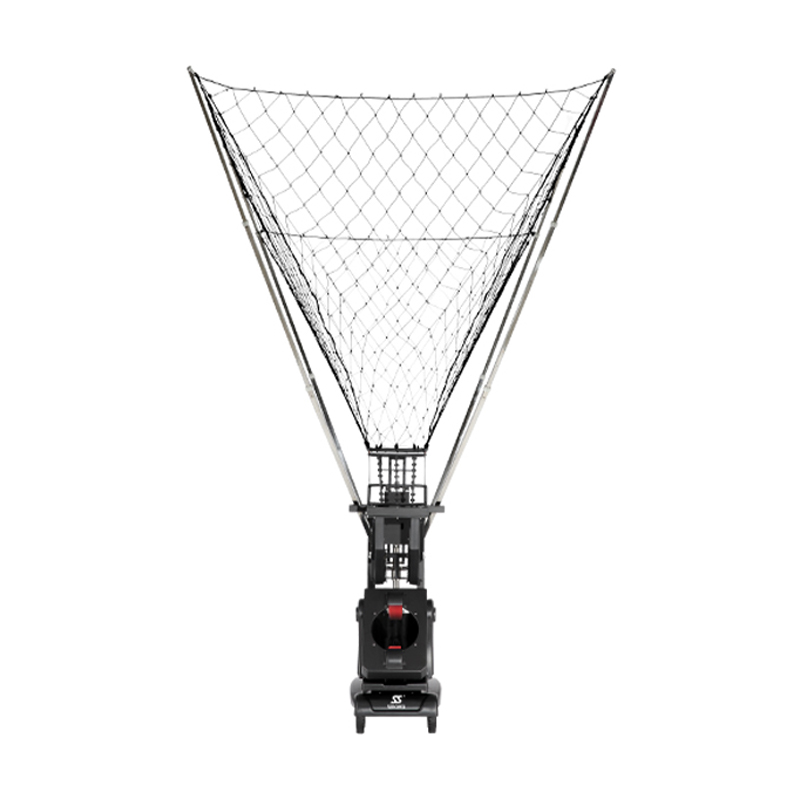
Once the mechanics feel stable, add catching and shooting at game speed. The challenge there is that a live pass rarely arrives in the perfect pocket, so repetition volume and repeatable feeds make an enormous difference. A programmable machine such as the K2101A, with its multipoint drill modes and app control, lets a player log hundreds of identical catch-and-shoot reps without a rebounder or a coach burning out their arm.
 K2101A Smart Basketball Trainer with Multipoint Drill ModesA programmable basketball training machine for continuous catch-and-shoot repetitions, with two-, three-, five-, and seven-point drill modes and app control.View Product →
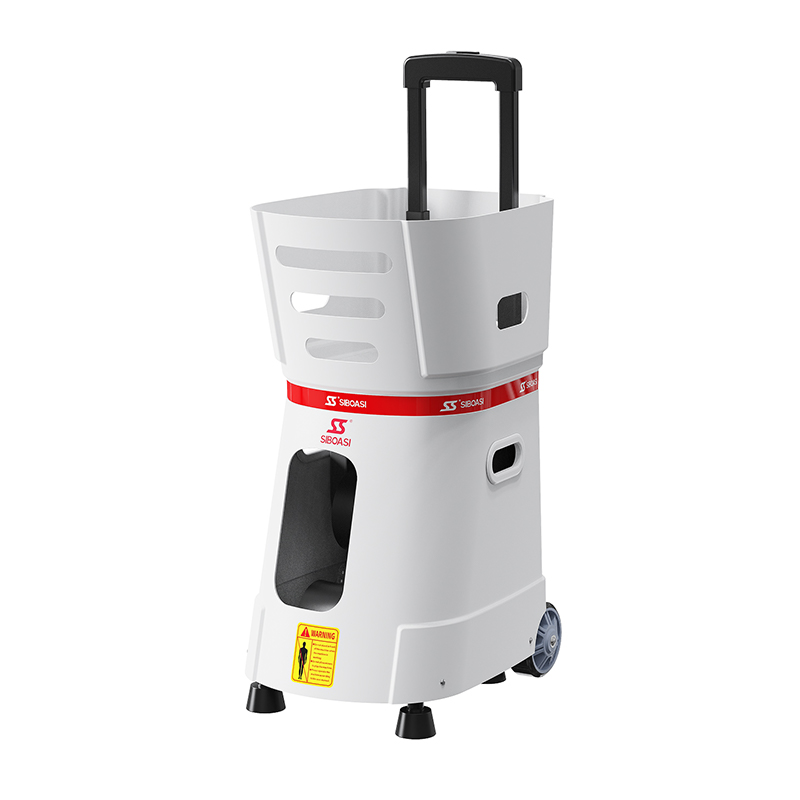
Feedback matters just as much as volume. If you cannot tell whether the last twenty shots were short or long, you are guessing. The K2100A pairs a steady feed with an LED display of score and real-time hit rate, which turns a shooting workout into something you can read and adjust instead of just feel.
 K2100A Basketball Training Machine with LED Feedback DisplayTracks session time, delivered balls, made shots, and hit rate while supporting multi-position drills for shooters who want measurable feedback.View Product →
Building Consistency Week by Week
Form work is boring by design, and that is fine — the payoff is a shot you trust in the fourth quarter. A simple weekly plan works for most players: fifteen minutes of close-range form shooting, ten minutes of mid-range off the catch, ten minutes of free throws, then whatever team drill is on the schedule. Film yourself from the side once a week and compare it with where you started; the camera catches drift that your body normalizes.
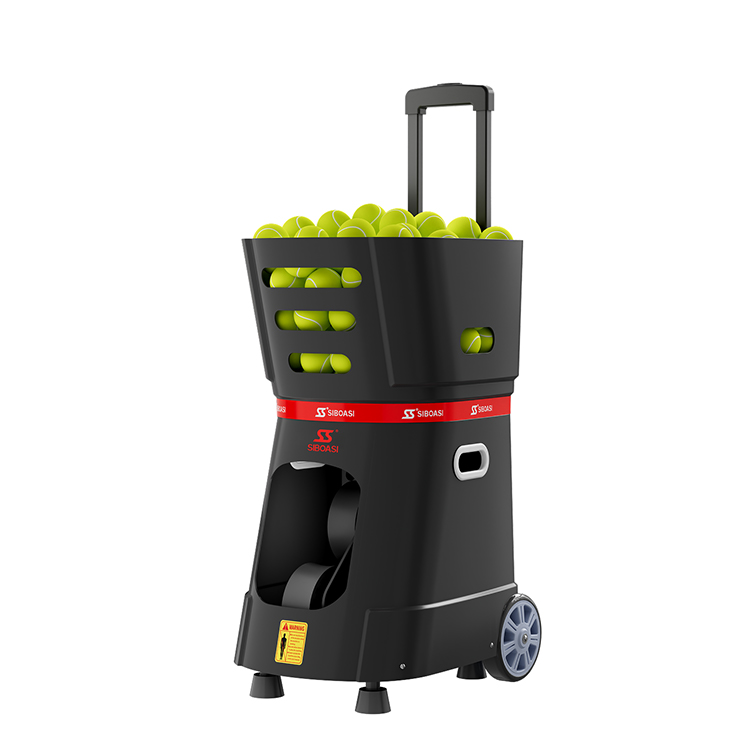
Younger players need the fundamentals reinforced more often than they need volume, which is why our work with youth training programs centers on short, repeatable reps with clear cues. Competitive players and teams, on the other hand, need game-speed shots from varied angles — the sort of scenario work we build into professional training solutions. A machine like the K3, with its spin delivery and sixty horizontal drill positions, is designed for exactly that progression from grooved mechanics to match-realistic movement.
 K3 Basketball Training Machine with Spin Delivery and 60 PositionsOffers spin ball delivery and 60 horizontal drill positions for position-specific shooting practice, adjustable via app or wireless remote control.View Product →
Keep It Simple
Proper shooting form comes down to a balanced base, a compact pocket, an elbow under the ball, a clean release off the fingertips, and a follow-through you hold long enough to admire. Fix one fault at a time, keep the reps honest, and resist the urge to rebuild everything after a bad night. The shot that holds up under pressure is the one you have repeated thousands of times without thinking about it — and that is precisely the point.



 Español
 عربى