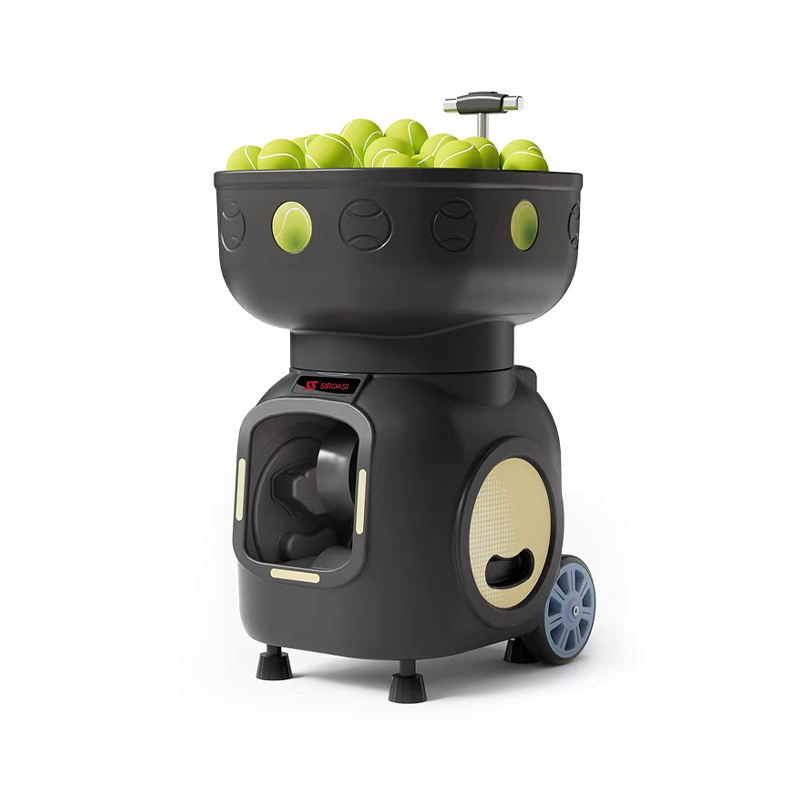
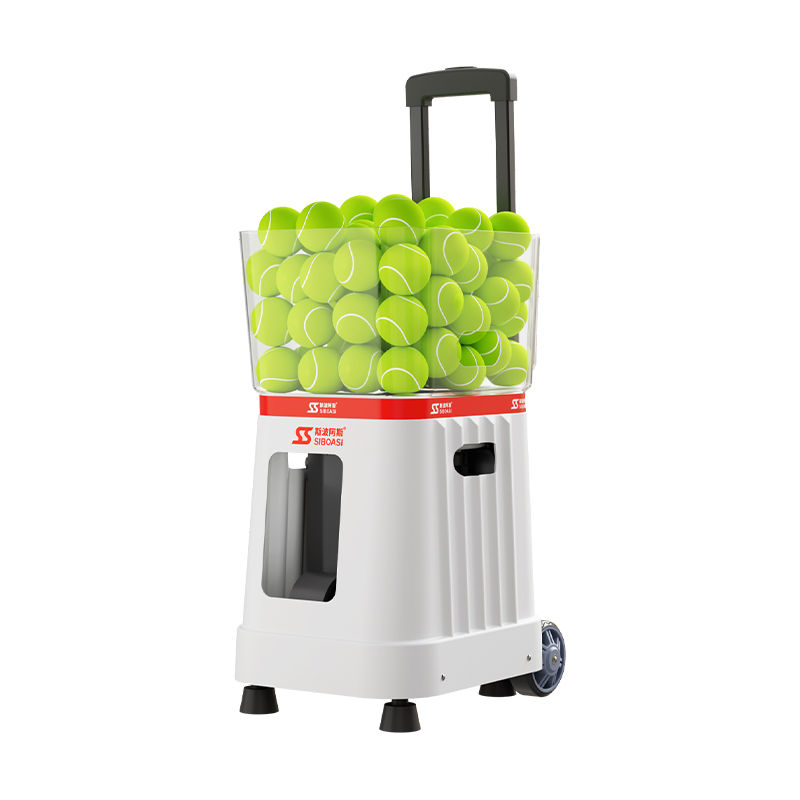
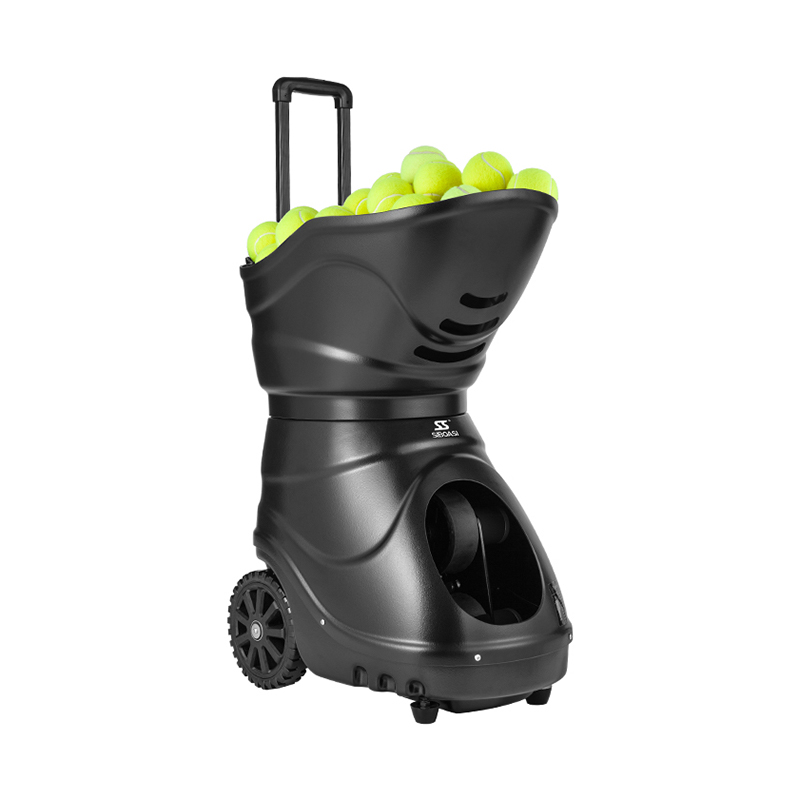
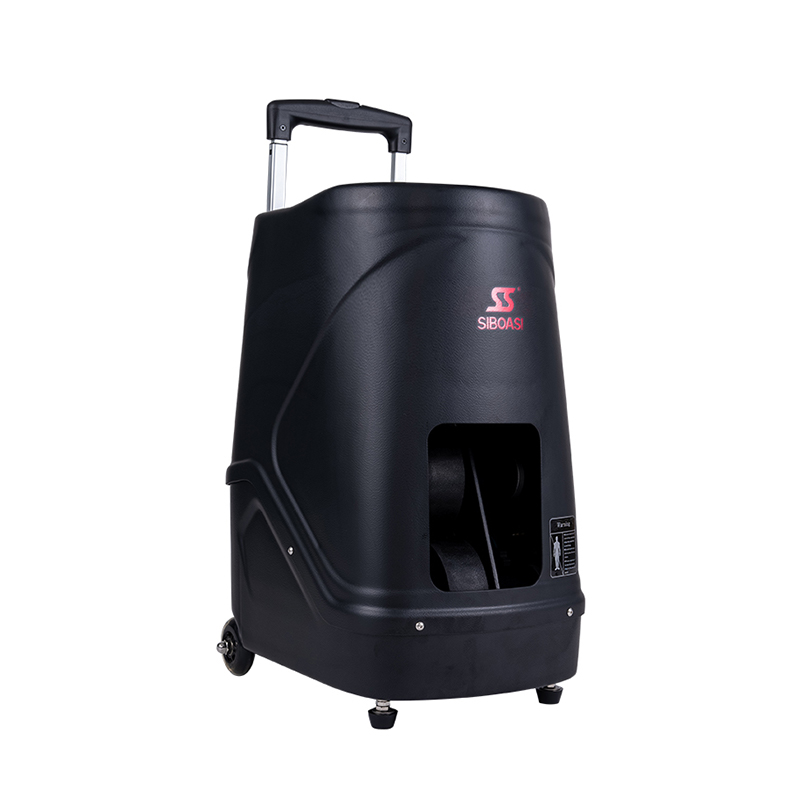
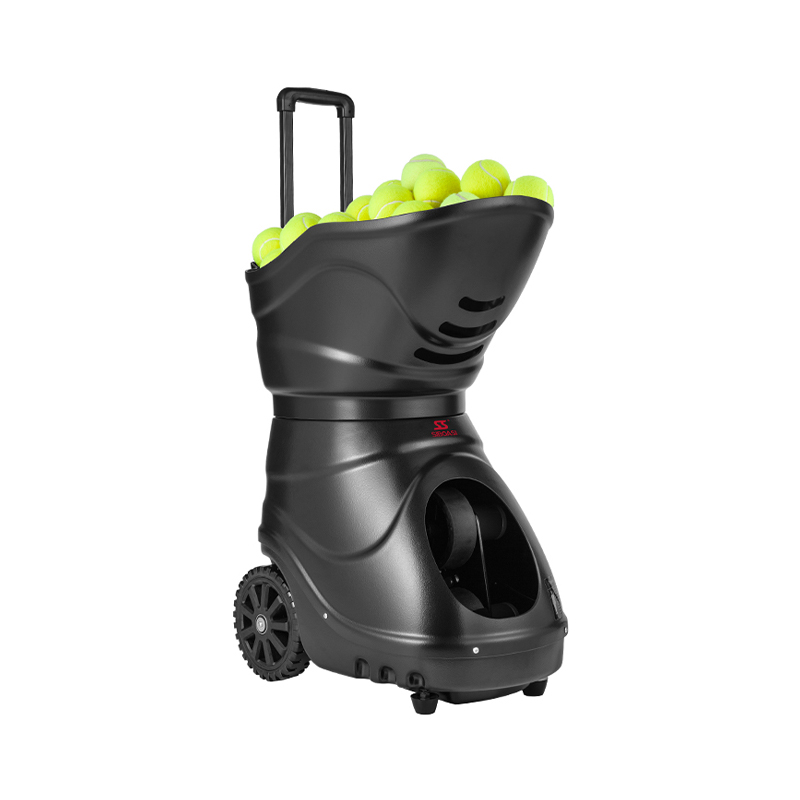
A machine that throws tennis balls looks like a simple piece of kit from the sideline. Then you spend twenty minutes with one and realise how much of your practice it can quietly reshape. Instead of waiting for a hitting partner, chasing stray balls across two courts, or feeding yourself by hand until your shoulder complains, you get a steady stream of balls at a pace and placement you chose before you even walked on court.
At Siboasi we have been building ball-feeding equipment since 2006, and the questions players ask us have barely changed over the years: will it throw where I actually need it, how fast can it go, and will I still be using it in three years? This guide answers those questions in plain language, without the marketing fog.
What a Machine That Throws Tennis Balls Actually Does for Your Game
The honest answer is repetition, but repetition with control. A good feeder lets you hit forty forehands in a row from the same spot without a single ball going into the net fence, which means your body gets the chance to groove a movement instead of resetting every four shots.
That matters most in three situations. First, when you are rebuilding a stroke and need volume without judgement. Second, when you want to isolate a weakness, such as a low backhand or a short ball you keep reaching for late. Third, when your regular hitting partners are unavailable, which for most recreational players is most of the week.
There is a quieter benefit too. Because the machine never gets tired or impatient, players tend to relax. Relaxed players learn faster. Coaches we work with often say the same thing: an hour with a feeder and a clear plan beats two hours of aimless rallying.
The Details That Separate One Machine From Another
Most feeders on the market throw a ball. The differences show up in how precisely they can place it, how quickly they recover between shots, and how much you can change mid-session without stopping to fiddle with knobs.
Speed, spin and interval
Ball speed typically ranges from a gentle warm-up lob to a flat drive that pushes a strong player backwards. Spin control is what separates a basic unit from a serious training tool, since topspin and slice demand completely different preparation. Interval settings decide the rhythm of your session, and the useful range runs from slow enough to reset your feet to fast enough that you are genuinely rushed.
Landing-zone programming and control
This is where modern machines earn their place. Older units offered a handful of fixed directions. Current models let you build drills across fourteen, twenty-one or even thirty-five zones, so a session can move you from corner to corner the way a real opponent would.
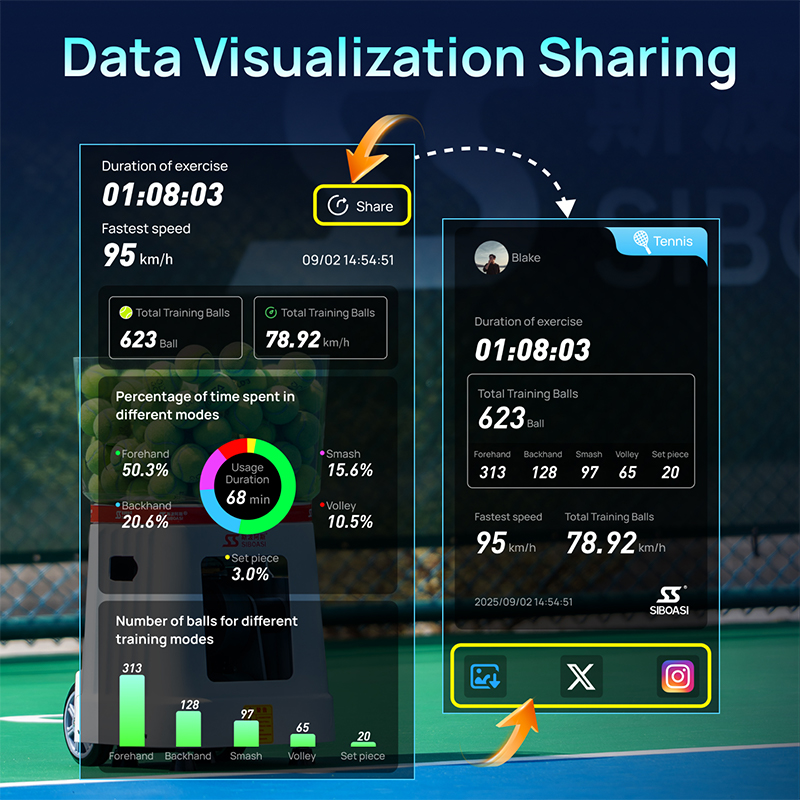
Control has moved on as well. Phone apps, mini-programs, voice commands and firmware updates over the air mean you can change a drill while standing at the baseline with a racquet in your hand. If you want a deeper walkthrough of the trade-offs, our guide on how to choose the right intelligent tennis ball machine covers the decision in more detail.
Most feeders fall into four broad groups; the right choice depends on how specific your practice needs to be.
| Machine style |
Typical user |
What it does well |
What to weigh up |
| Single-speed basic feeder |
Beginners, families, casual players |
Simple setup, low cost, reliable ball feed |
Limited placement and spin variety |
| Programmable multi-zone machine |
Club players and improvers |
Drill sequences, app control, adjustable spin |
More settings to learn at the start |
| Match-simulation model |
Competitive juniors and adults |
Rally patterns that mimic real points |
Higher price, larger footprint |
| Team and tactical edition |
Coaches, academies, touring players |
Voice control, deep drill libraries, heavy duty cycles |
More capacity than one player needs |
Matching the Machine to the Player
Buying above your level is the most common mistake we see. A machine with thirty-five placement zones is wonderful for a tournament player and mildly overwhelming for someone still learning to turn their shoulders. Buying below your level is the second most common mistake, because players improve faster than they expect.
Starting out
If you are new to the sport, or you want a feeder to share with the family, a straightforward model does the job. Our T1 is deliberately uncomplicated: one consistent speed, a predictable feed, and a setup you can finish in under a minute.
 T1 Beginner Single-Speed Tennis Ball MachineA straightforward single-speed feeder for new players, offering predictable delivery and simple setup to help build consistent forehand, backhand, and volley strokes.View Product →
Playing regularly and improving
Once you can rally consistently, placement becomes the thing that pushes you forward. Machines that let you program landing zones and switch between topspin and slice give you sessions that feel like problem-solving rather than bucket-fetching.
Competing and training seriously
At this stage the machine becomes a sparring partner. You want sequences that resemble points, changes of rhythm that force recovery steps, and the ability to run a demanding session without the unit overheating halfway through. The T5 was built around full match simulation, and the T7 Pro adds voice control for coaches who want to adjust drills without walking back to the unit.
 T5 Full-Match Simulation Tennis Ball MachineAn all-mode scenario feeder for match-like drills, with programmable sequences and rhythm changes to prepare club and tournament players for competitive play.View Product →
 T7Pro Voice-Control Tennis Ball MachineA tactical team feeder with voice control and programmable multi-ball sequences, suited to high-volume tournament preparation and hands-free coaching adjustments.View Product →
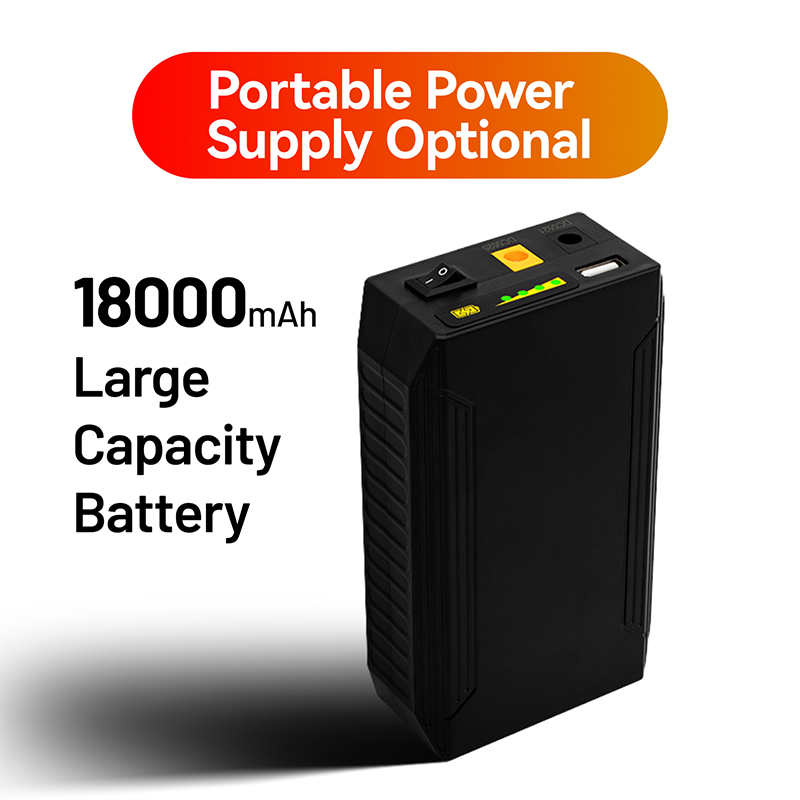
One practical note from our own testing floor: whatever model you pick, check the ball capacity and the battery life against the length of session you actually plan. A feeder that runs dry after twenty minutes will frustrate a player who booked an hour.
Building a Session That Actually Improves Something
Machines reward planning. Turning one on and letting it fire at random produces sweat, not skill. Here is a structure that works for most players, whatever the model:
- Warm up with slow, central feeds until your feet are moving and your swing feels loose, roughly five minutes.
- Pick one stroke and one target for the next ten minutes. Resist the urge to change it.
- Add movement. Alternate two zones so you have to recover between shots.
- Introduce pressure. Increase speed or shorten the interval, but keep the same target.
- Finish with a pattern that resembles a point, then stop while you still feel good.
Keep a short note after each session: what you worked on, what felt different, what broke down. Three lines is enough. Over a month those notes tell you more about your progress than any single session will.
Small Mistakes That Cost You Time
- Filling the hopper with dead or damp balls, which cause inconsistent feeds and jams.
- Setting the speed too high too early, which teaches you to arm the ball instead of preparing early.
- Standing in the same spot for the entire session and calling it footwork practice.
- Ignoring spin settings and then wondering why your match preparation feels flat.
- Never cleaning the throwing wheels, which gradually lose grip and accuracy.
Beyond the Tennis Court
One thing players discover after buying a feeder is how many other people want to use it. Families with junior players, school PE departments, community centres and multi-sport clubs all get value from the same underlying technology, because a machine that throws balls reliably is useful wherever a ball is being struck.
Our factory in Humen covers 67,000 square metres and ships to more than 150 countries, and that scale has shown us how differently the same equipment gets used. If you are setting up practice at home rather than at a club, the home training solutions overview is a sensible starting point for layout, space and ball-retrieval planning.
A machine that throws tennis balls will not fix your technique on its own, and it is not a replacement for a coach who can see what you cannot. What it does is remove the excuses. The partner is always available, the feed is always the same, and the only variable left is you. Start with a machine that matches your current level, plan each session around one specific goal, and the improvement tends to arrive faster than most players expect.



 Español
 عربى